
Buyer's Comparison
Rolex Daytona vs Omega Speedmaster
The Rolex Daytona and Omega Speedmaster are the two most culturally significant chronographs ever produced — and yet they sit at completely different points in the modern luxury market. The Daytona is the apex chronograph: 40mm Oystersteel case, in-house Calibre 4131 column-wheel chronograph movement, Cerachrom bezel, and a secondary-market price ($30,000–$42,000 for the current 126500LN) that reflects production scarcity and cultural status. The Speedmaster Professional is the historic Moonwatch — the only watch certified by NASA for extra-vehicular activity, worn by Buzz Aldrin on the lunar surface in 1969 — and it remains in production largely unchanged in its essentials at $7,000–$8,000 retail. The Speedmaster uses a hand-wound Calibre 3861 movement with the same column-wheel-and-cam architecture that has defined Speedmasters since 1957. Both are legitimate horological icons; the Daytona costs roughly five times the Speedmaster. The Daytona is the social signifier and the value-retention machine. The Speedmaster is the historical object and the most rationally-priced high-grade chronograph in production.
Option A
Rolex Daytona
The apex chronograph
Best For
- Cultural icon collectors
- Long-term value retention
- Status symbol
Option B
Omega Speedmaster Professional
The Moonwatch — NASA-certified since 1965
Best For
- Horological history fans
- Value-for-money buyers
- Pure mechanical purists
The Verdict
If price is no object and you want the cultural icon, the Daytona. If horological value-for-money matters and you want a piece of history, the Speedmaster Professional Moonwatch.
In Stock
Rolex Daytona — Available
Rolex
$50,000 – $60,000
Daytona
Ref. 126519LN
Rolex
$30,000 – $40,000
Daytona
Ref. 126500LN
Rolex
$25,000 – $30,000
Daytona
Ref. 126503
Rolex
$33,500
Daytona
Ref. 126500LN
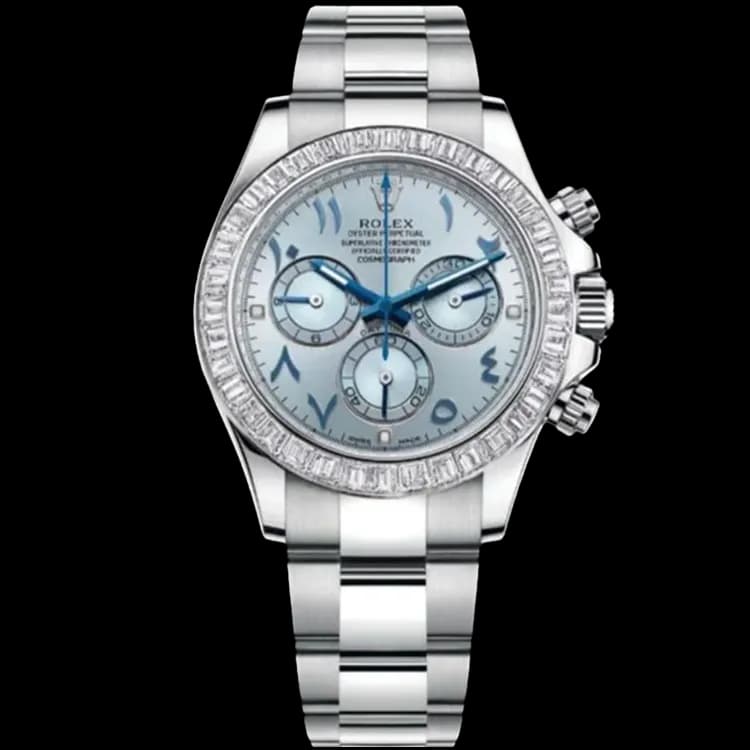
Rolex
$450,000 – $500,000
Daytona
Ref. 116576TBR
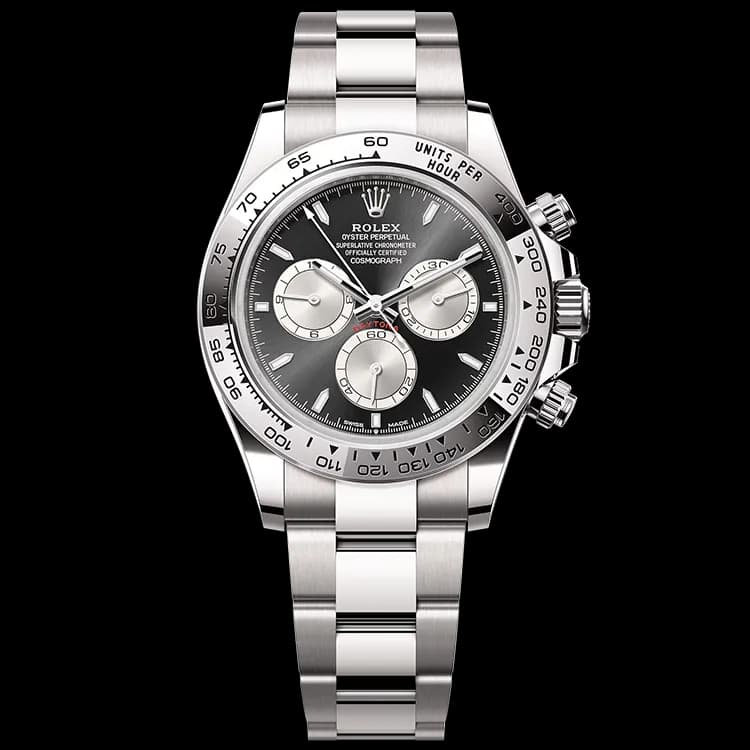
Rolex
$50,000 – $60,000
Daytona
Ref. 126509
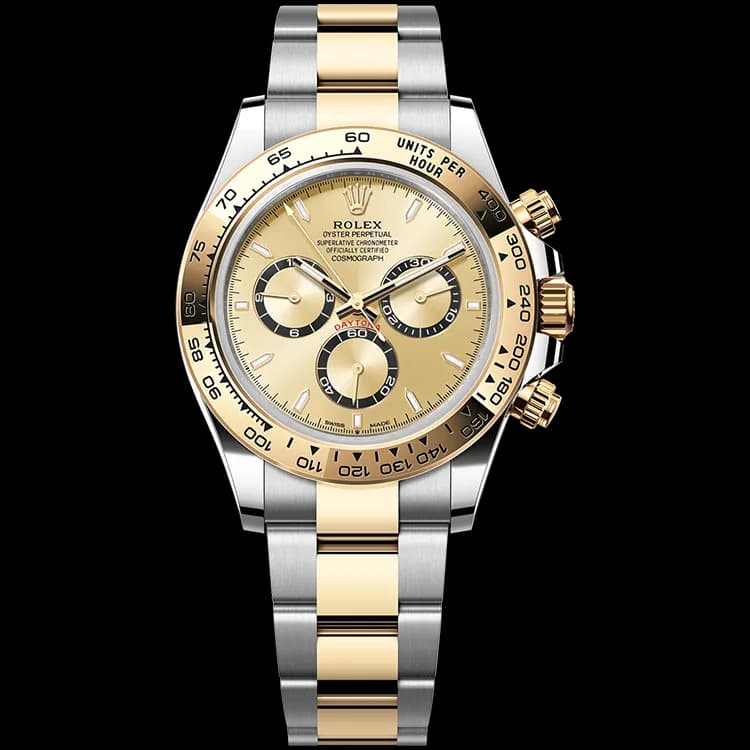
Rolex
$25,000 – $30,000
Daytona
Ref. 126503
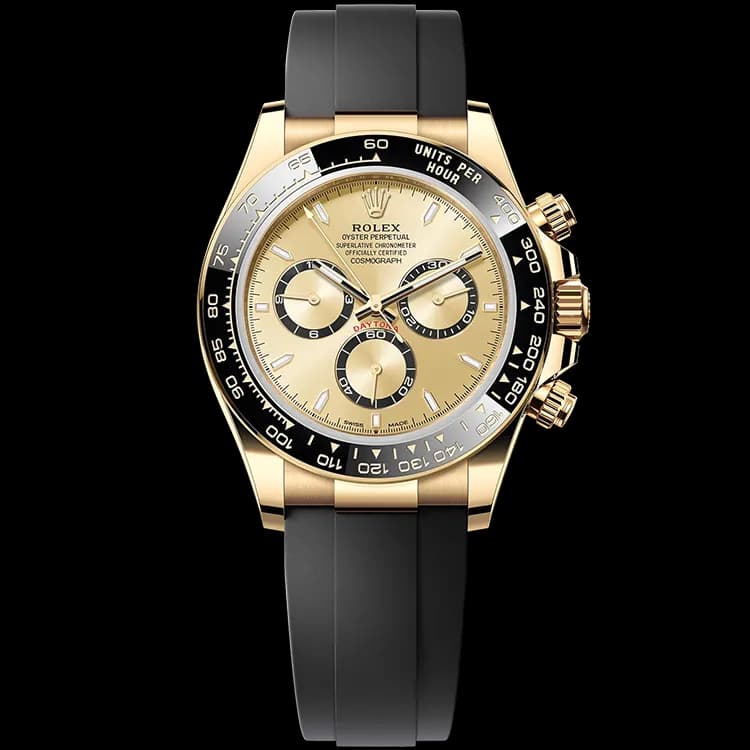
Rolex
$40,000 – $50,000
Daytona
Ref. 126518LN
Rolex
Price on request
Rainbow Daytona
Ref. 116595RBOW
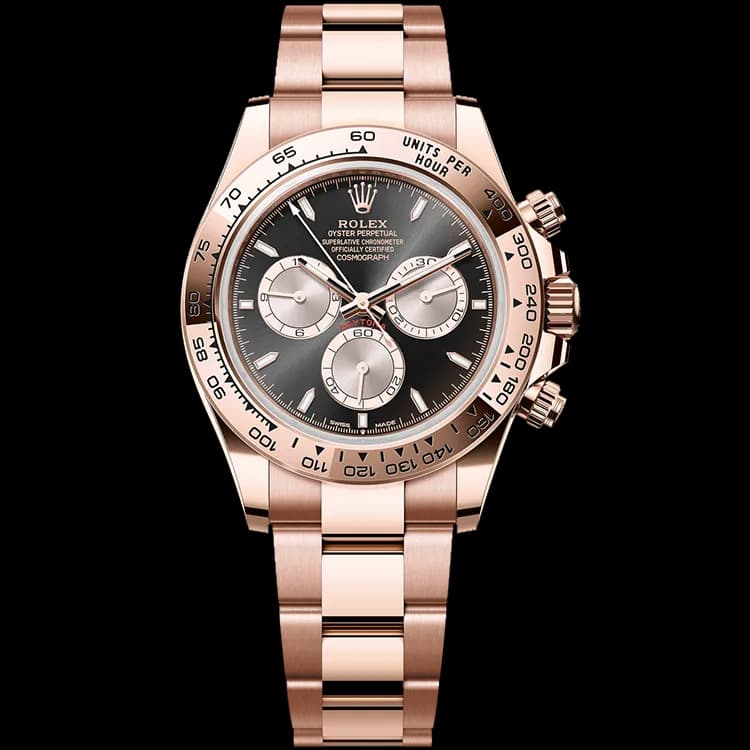
Rolex
$50,000 – $60,000
Daytona
Ref. 126505
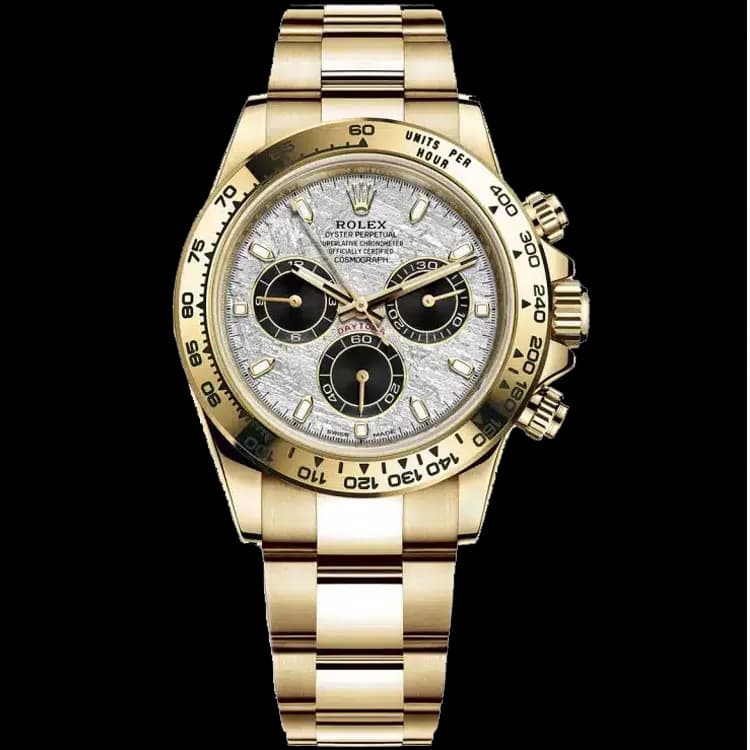
Rolex
$90,000 – $100,000
Daytona
Ref. 116508
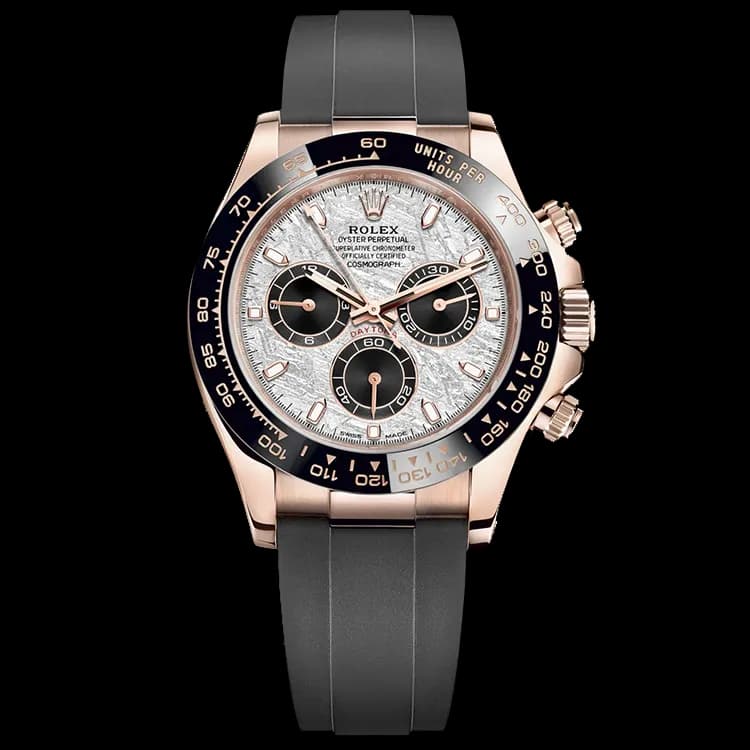
Rolex
$80,000 – $90,000
Daytona
Ref. 116515LN
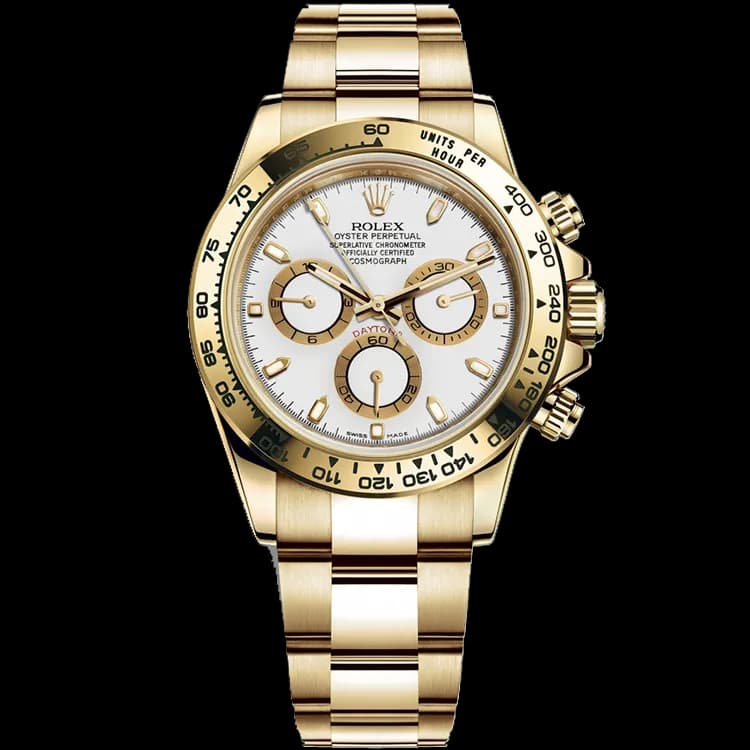
Rolex
$50,000 – $60,000
Daytona
Ref. 116508
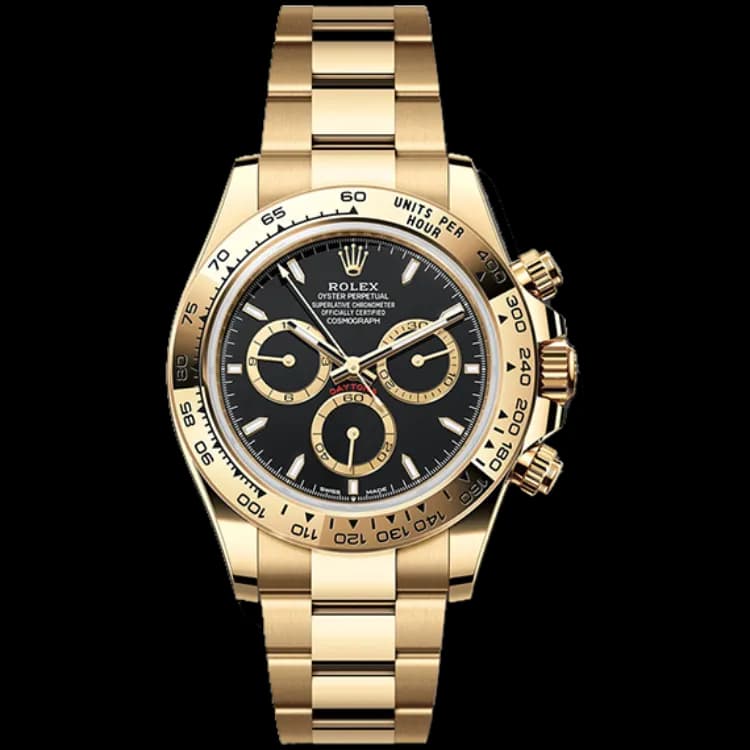
Rolex
$50,000 – $60,000
Daytona
Ref. 126508
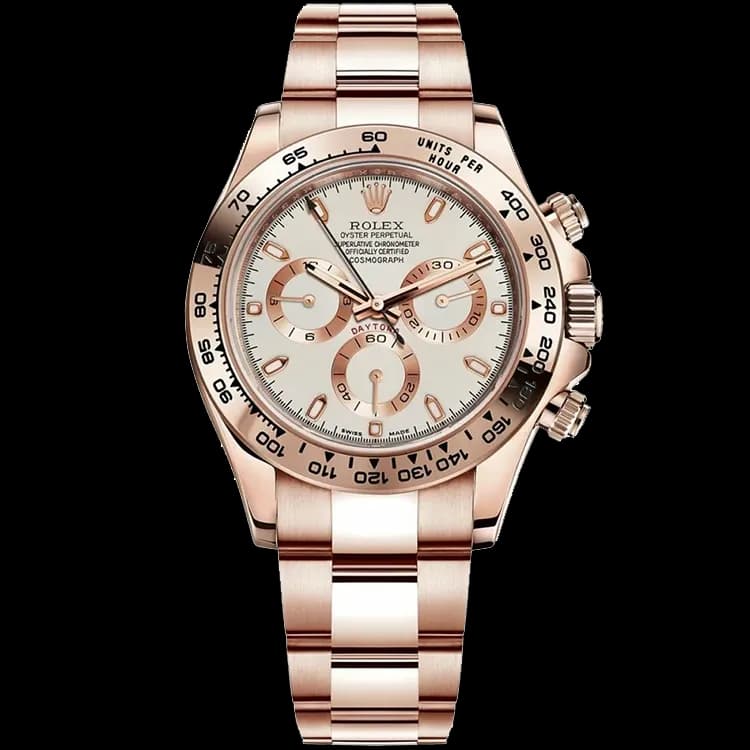
Rolex
$50,000 – $60,000
Daytona
Ref. 116505
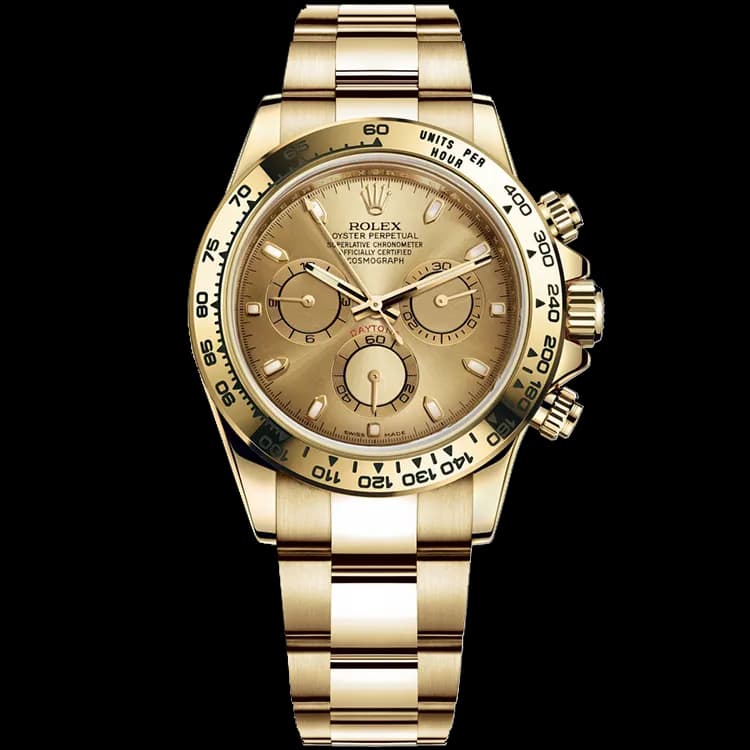
Rolex
$50,000 – $60,000
Daytona
Ref. 116508
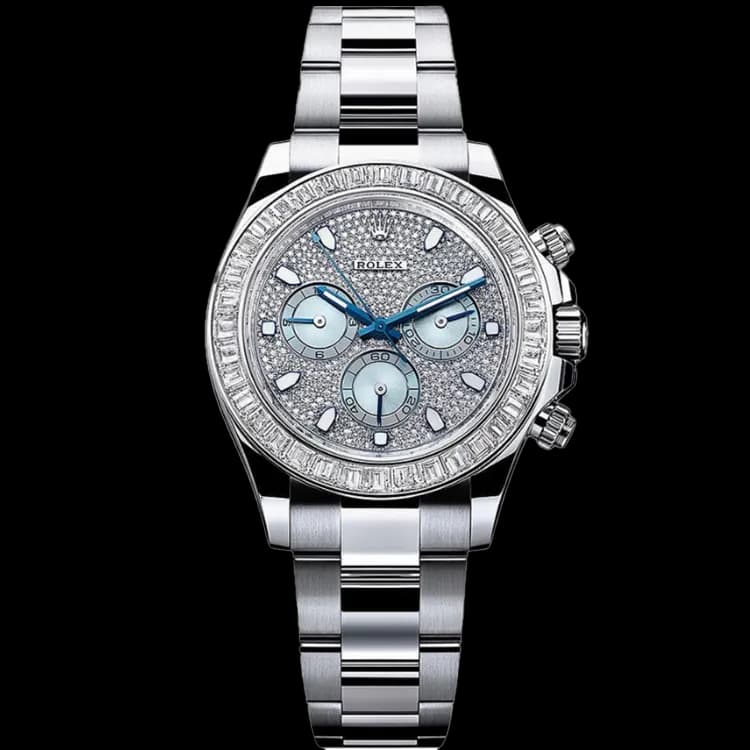
Rolex
$400,000 – $450,000
Daytona
Ref. 116576TBR
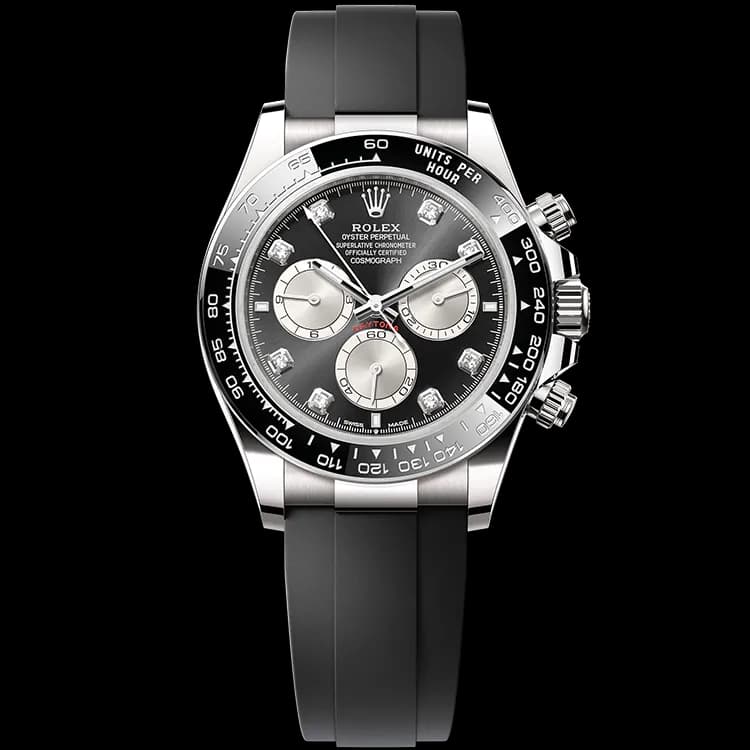
Rolex
$40,000 – $50,000
Daytona
Ref. 126519LN
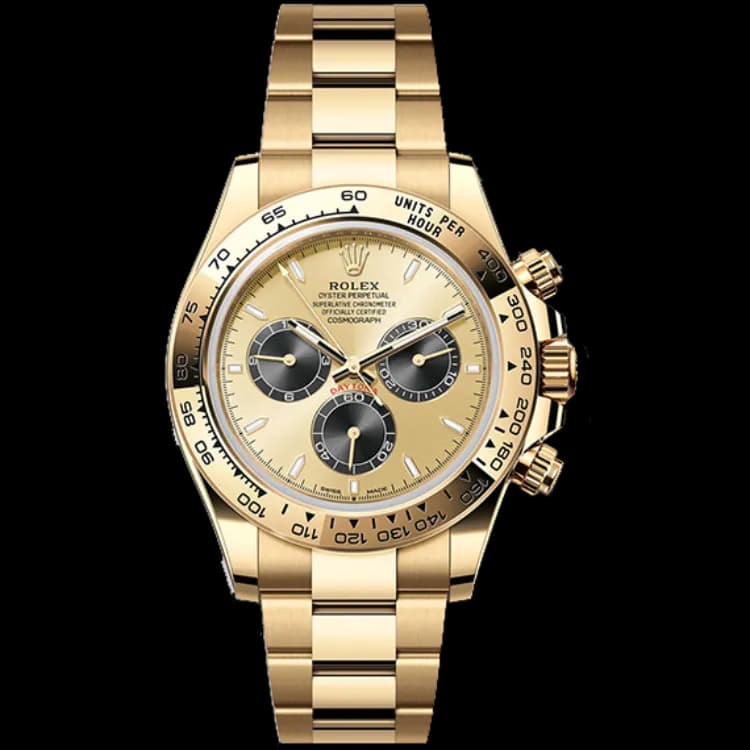
Rolex
$60,000 – $70,000
Daytona
Ref. 126508
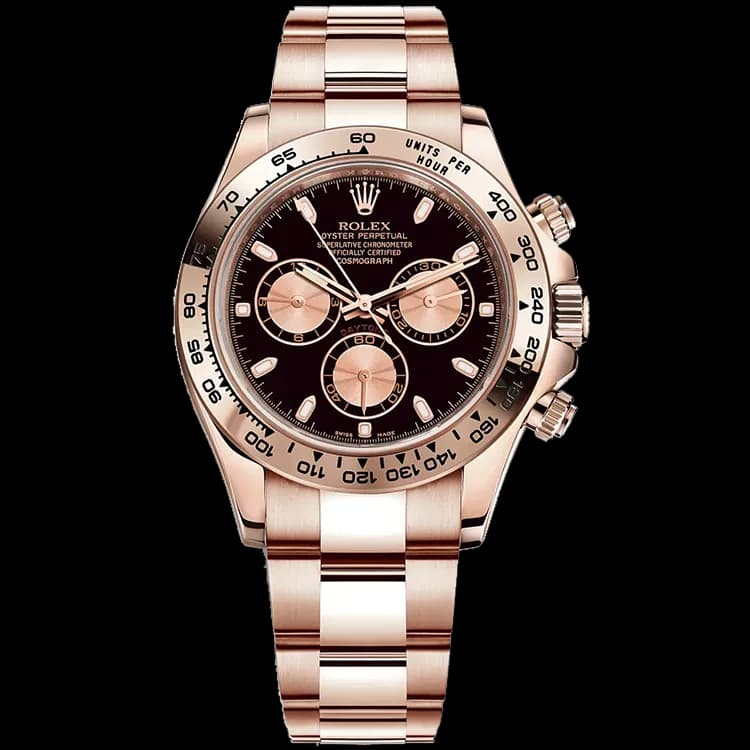
Rolex
$50,000 – $60,000
Daytona
Ref. 116505
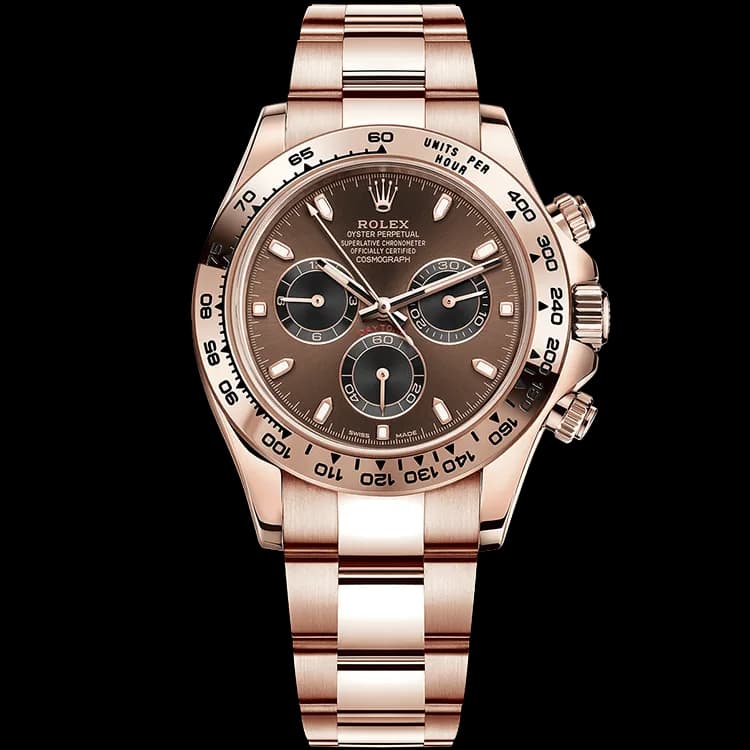
Rolex
$50,000 – $60,000
Daytona
Ref. 116505
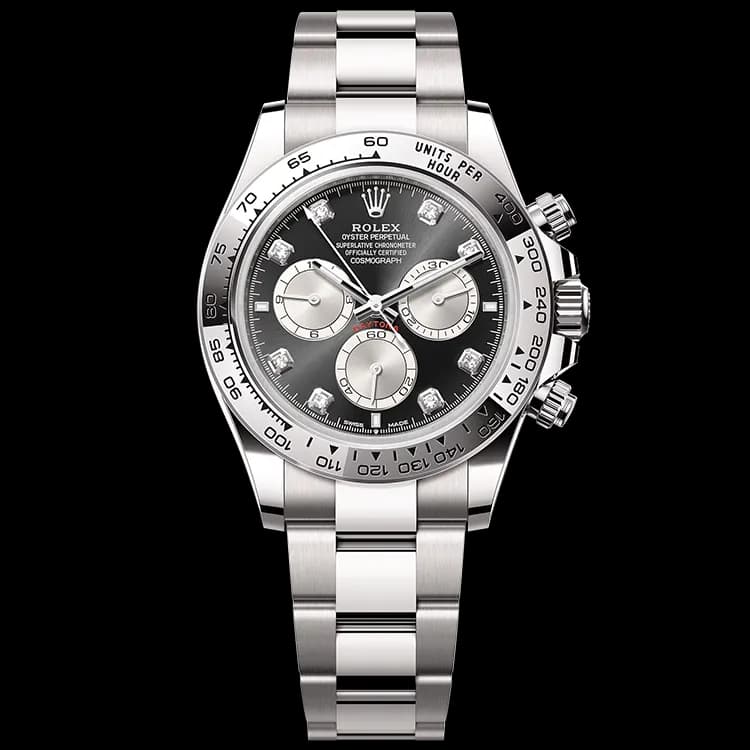
Rolex
$50,000 – $60,000
Daytona
Ref. 126509
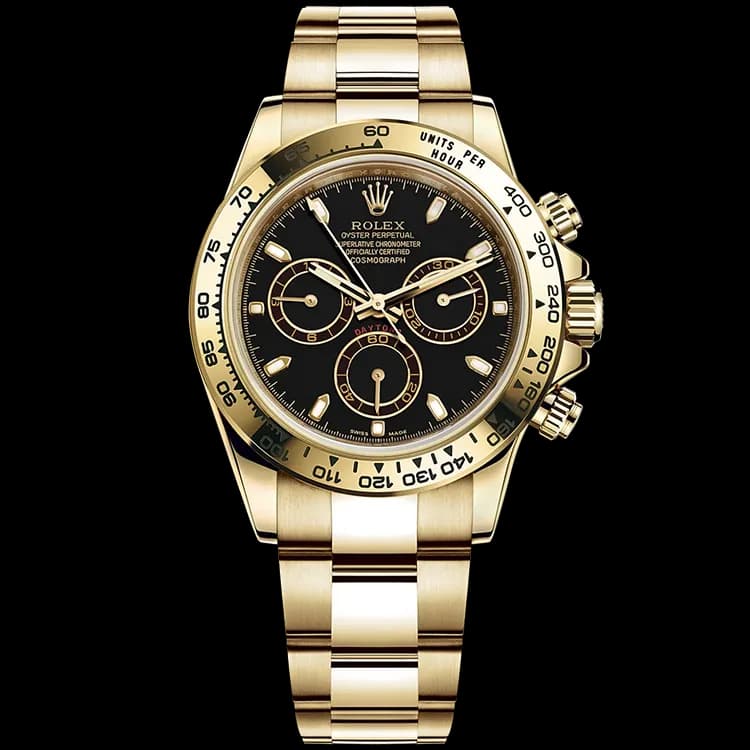
Rolex
$50,000 – $60,000
Daytona
Ref. 116508
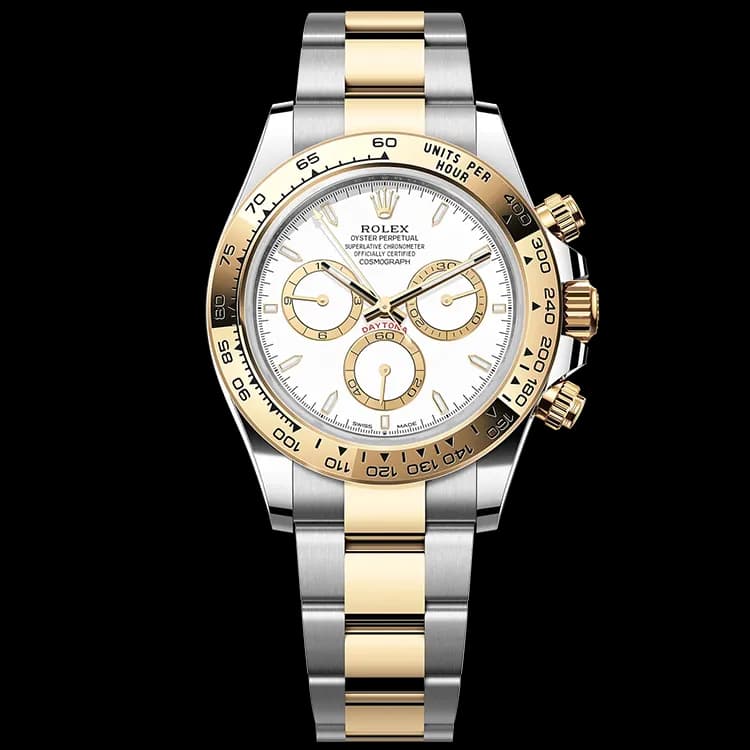
Rolex
$25,000 – $30,000
Daytona
Ref. 126503
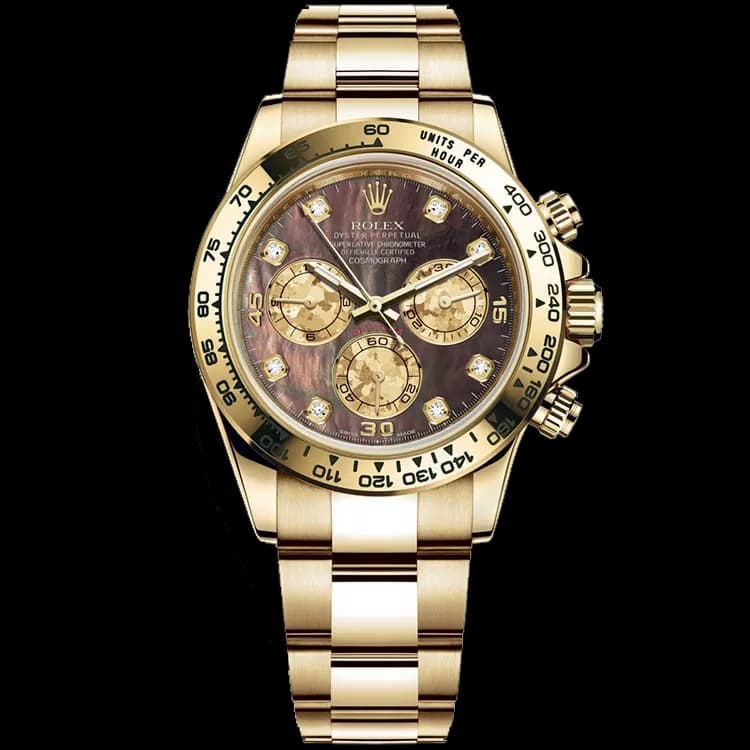
Rolex
$70,000 – $80,000
Daytona
Ref. 116508
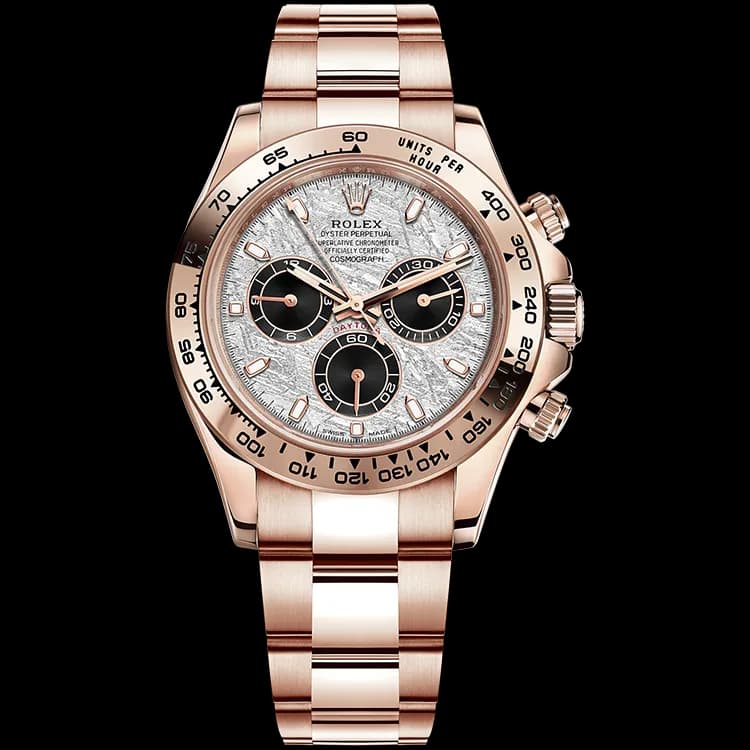
Rolex
$90,000 – $100,000
Daytona
Ref. 116505
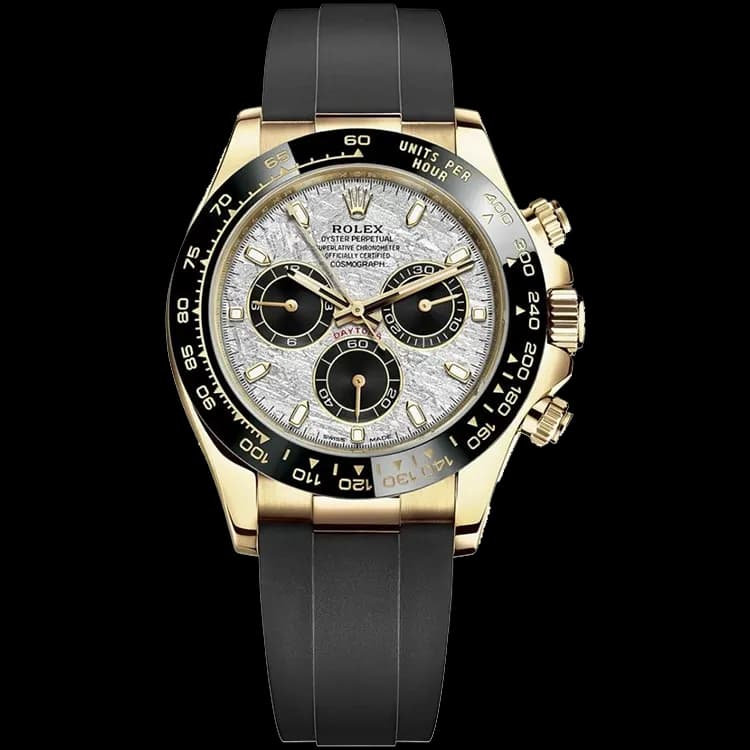
Rolex
$80,000 – $90,000
Daytona
Ref. 116519LN
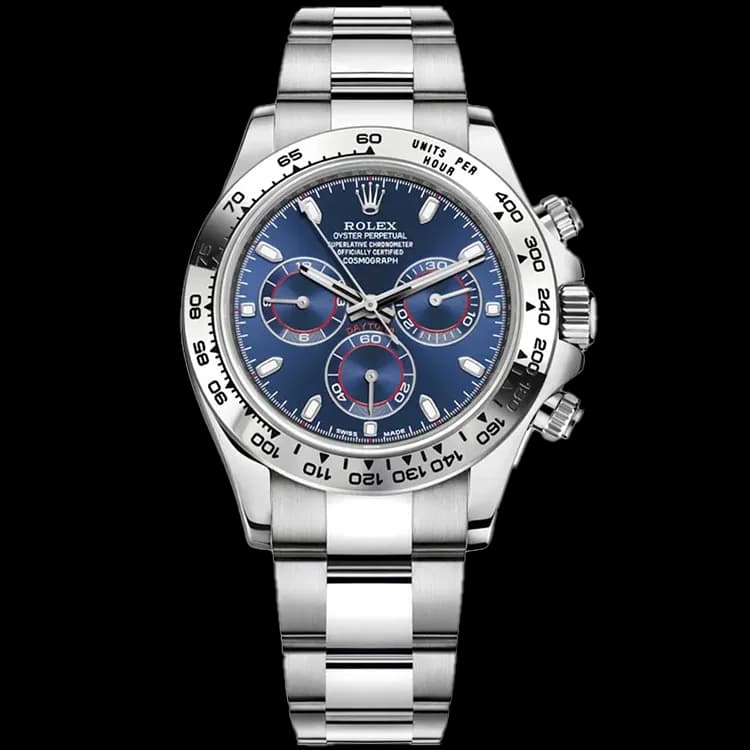
Rolex
$50,000 – $60,000
Daytona
Ref. 116509
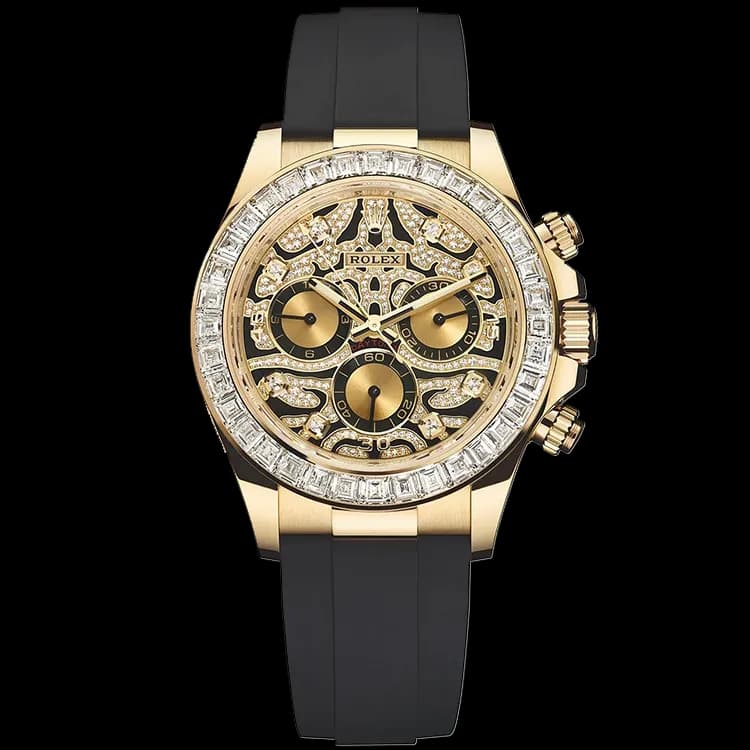
Rolex
$200,000 – $250,000
Daytona
Ref. 116588TBR
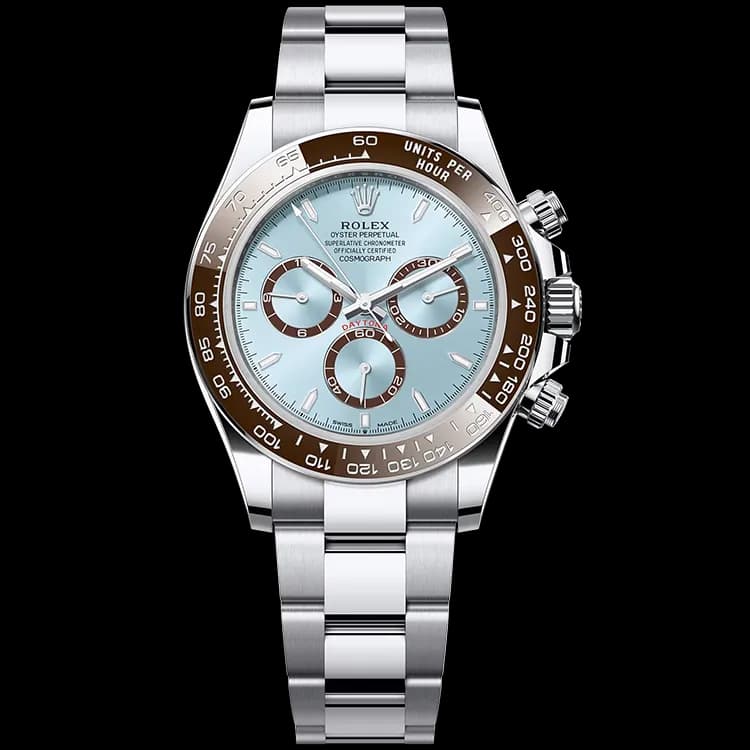
Rolex
$100,000 – $125,000
Daytona
Ref. 126506
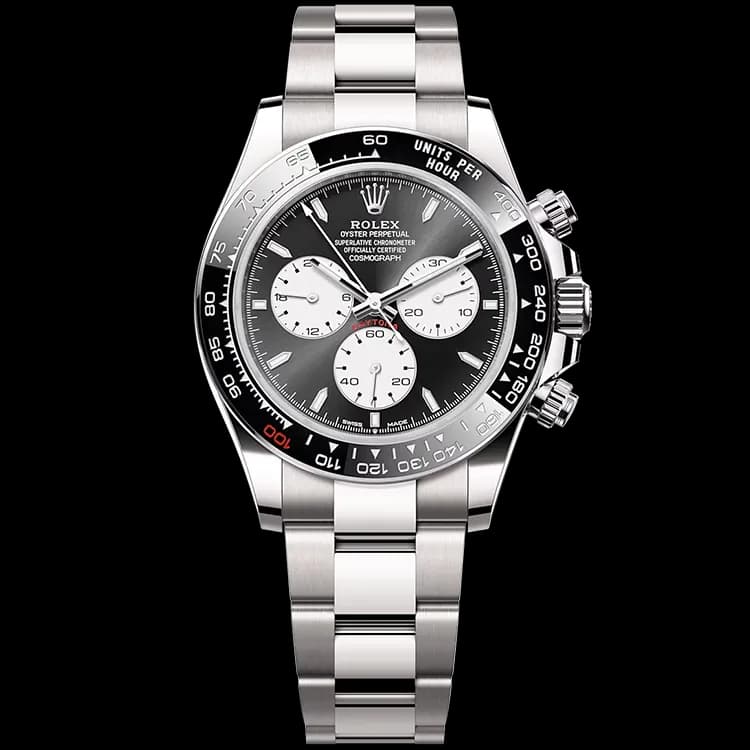
Rolex
$200,000 – $250,000
Daytona
Ref. 126529LN
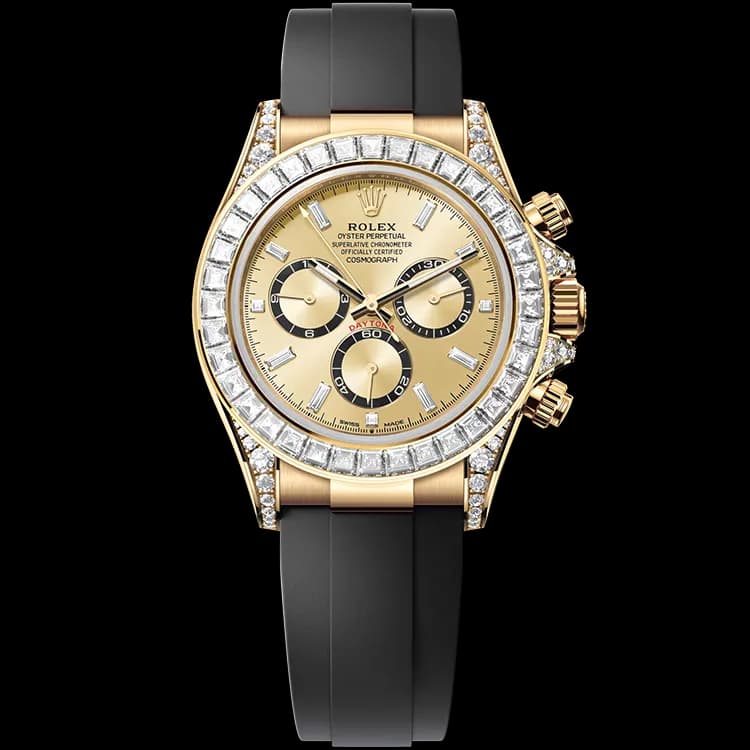
Rolex
Price on request
Daytona
Ref. 126535TBR
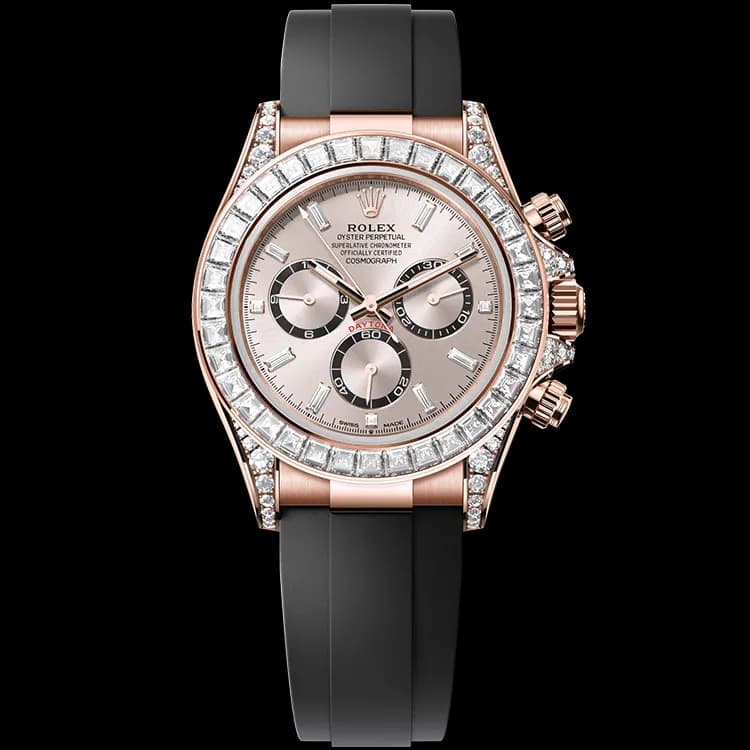
Rolex
Price on request
Daytona
Ref. 126535TBR
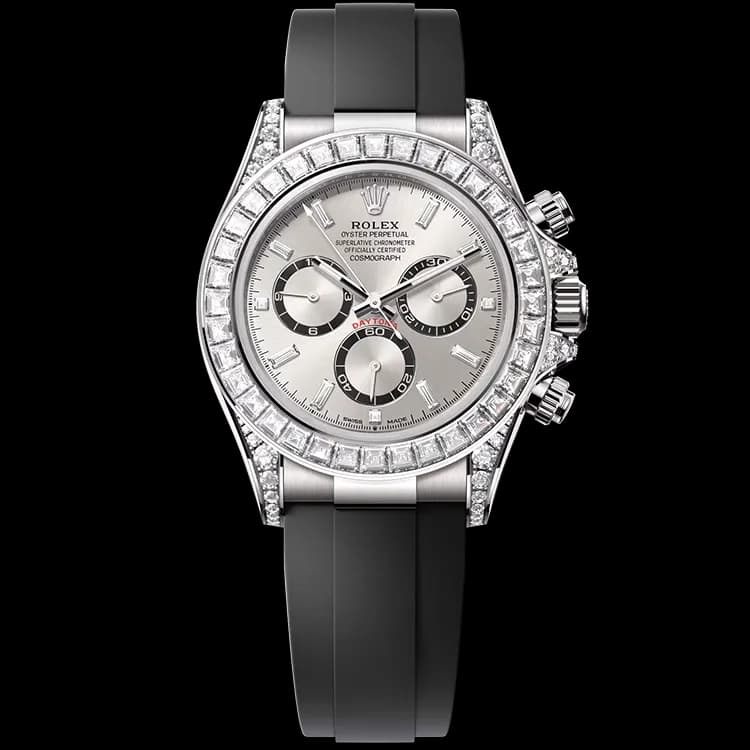
Rolex
Price on request
Daytona
Ref. 126539TBR
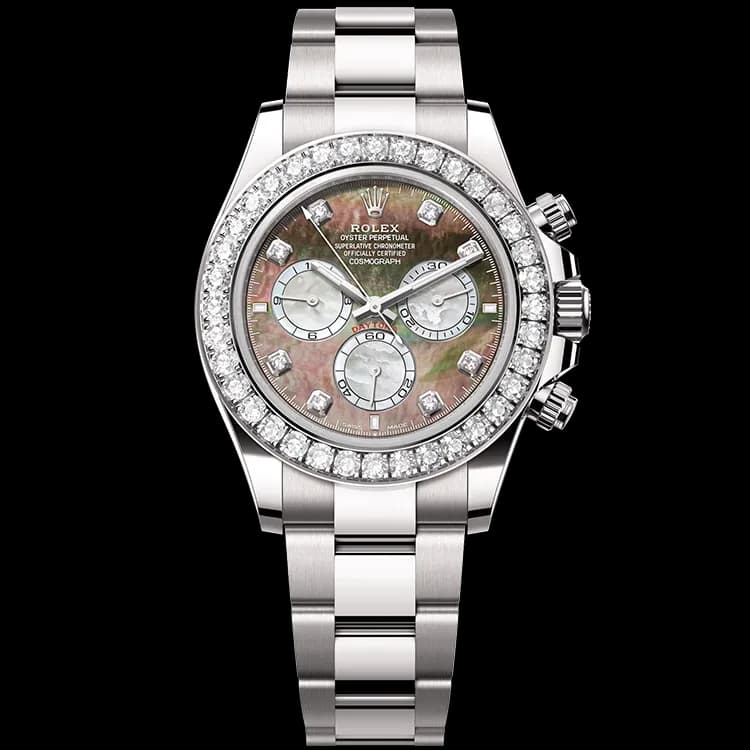
Rolex
Price on request
Daytona
Ref. 126579RBR
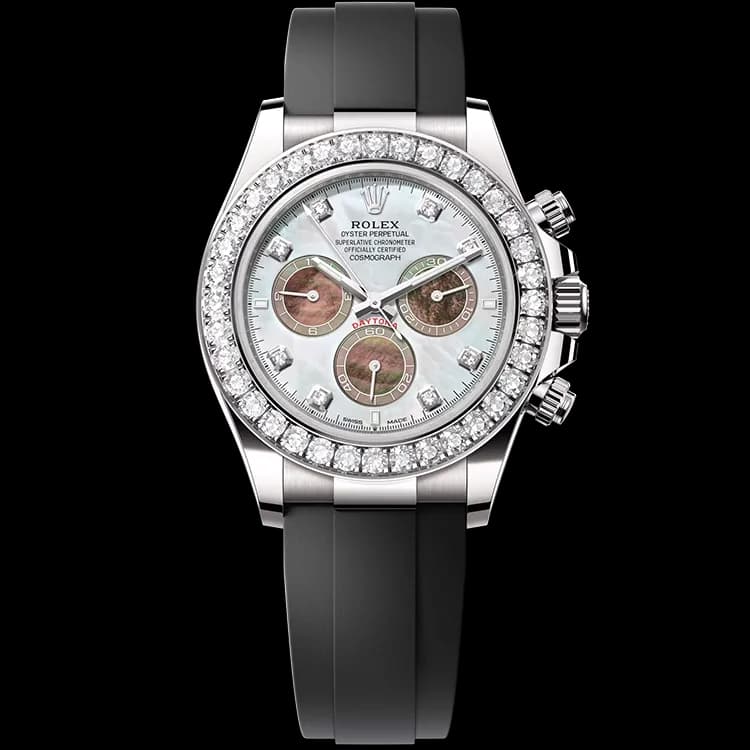
Rolex
Price on request
Daytona
Ref. 126589RBR
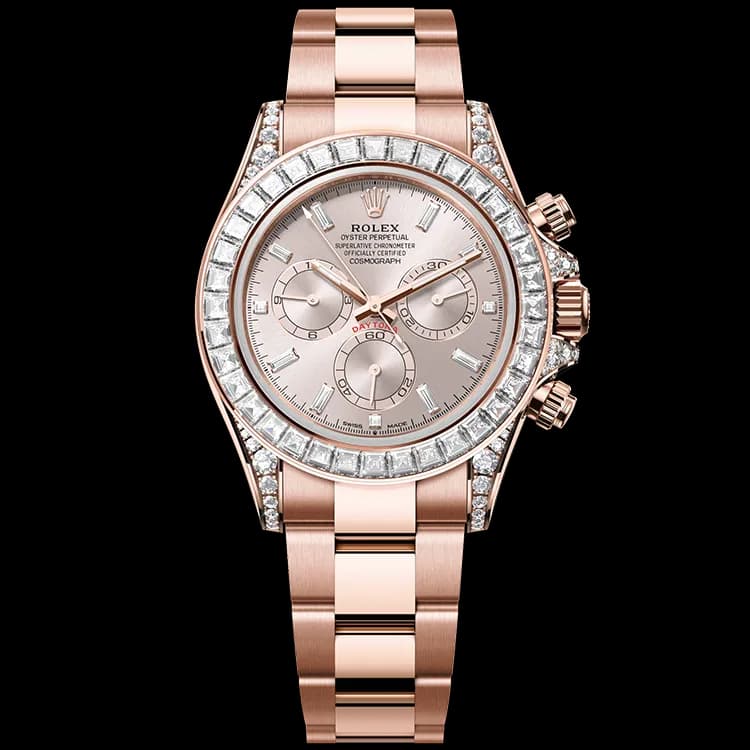
Rolex
Price on request
Daytona
Ref. 126595TBR
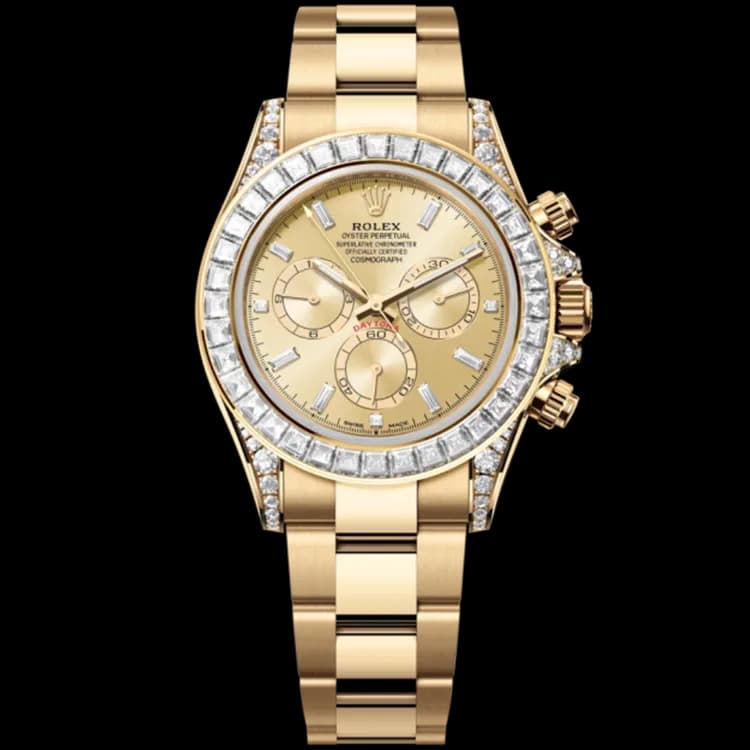
Rolex
Price on request
Daytona
Ref. 126598TBR
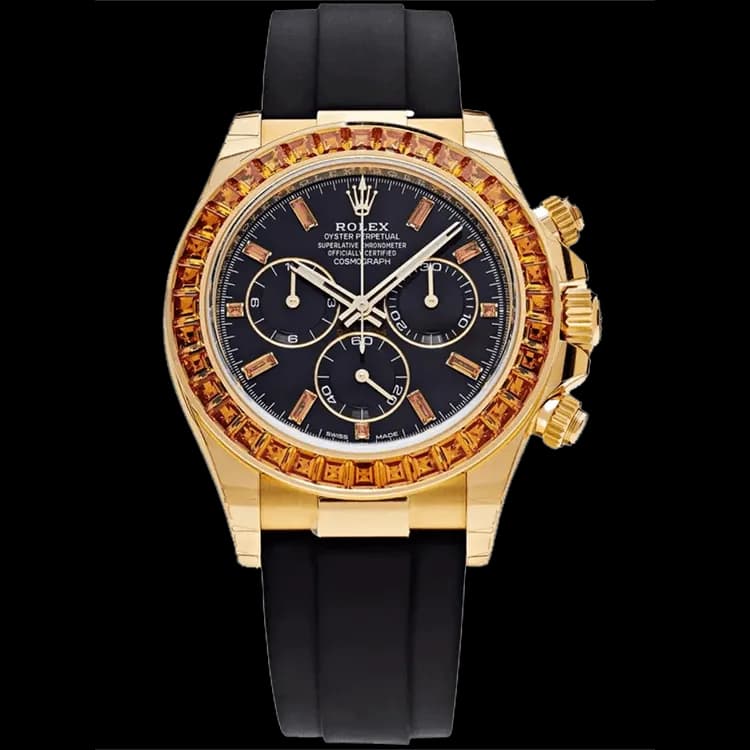
Rolex
$1,000,000
Daytona
Ref. 116588SACO
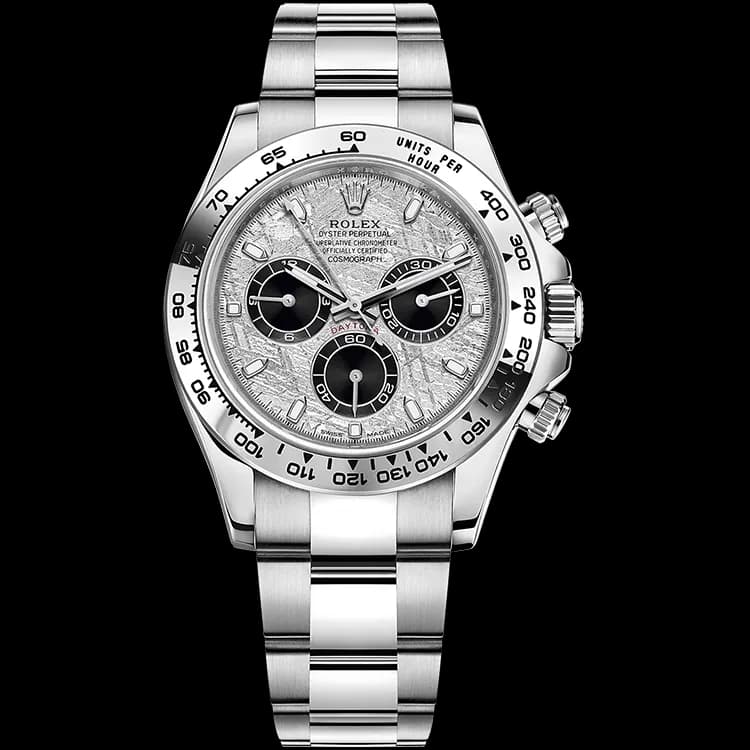
Rolex
$80,000 – $90,000
Daytona
Ref. 116509
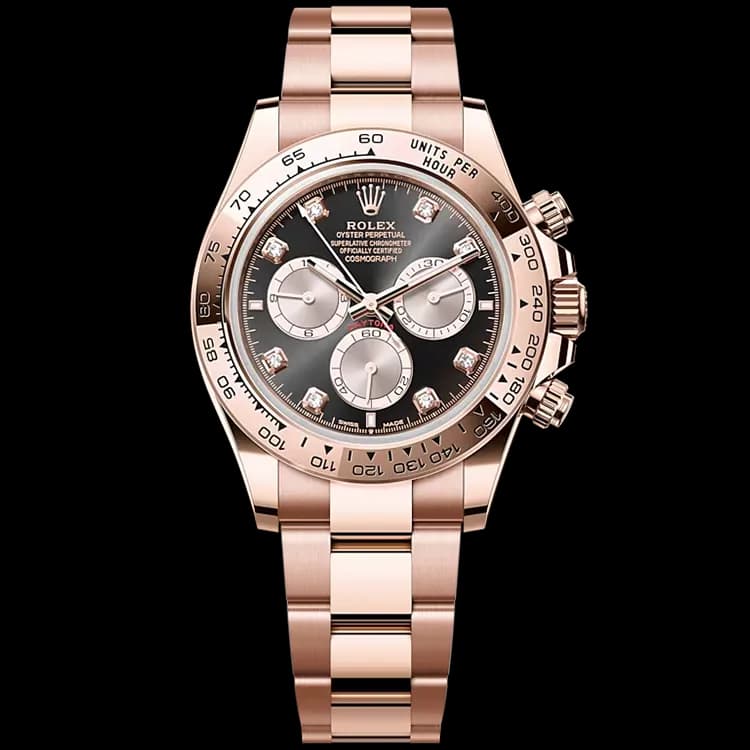
Rolex
$50,000 – $60,000
Daytona
Ref. 126505
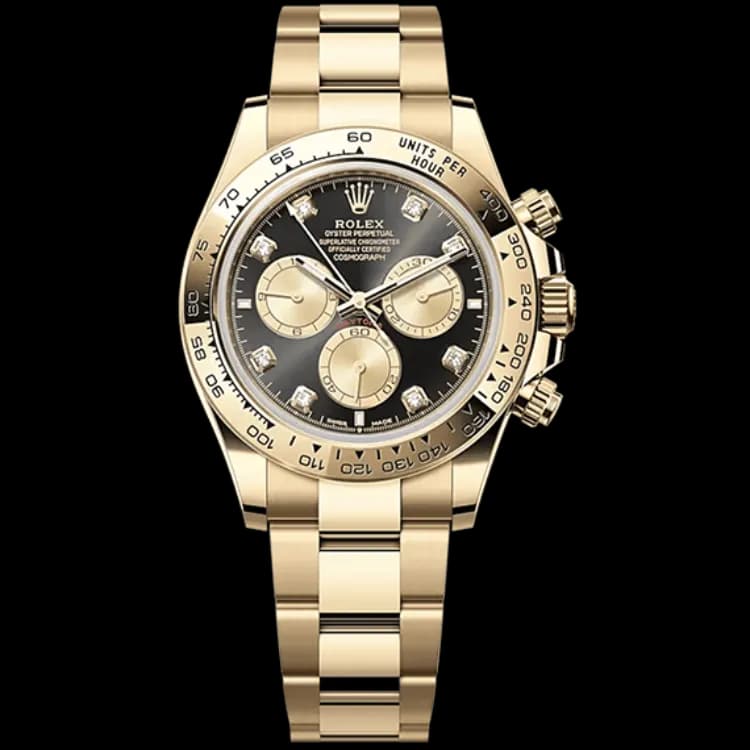
Rolex
$60,000 – $70,000
Daytona
Ref. 126508
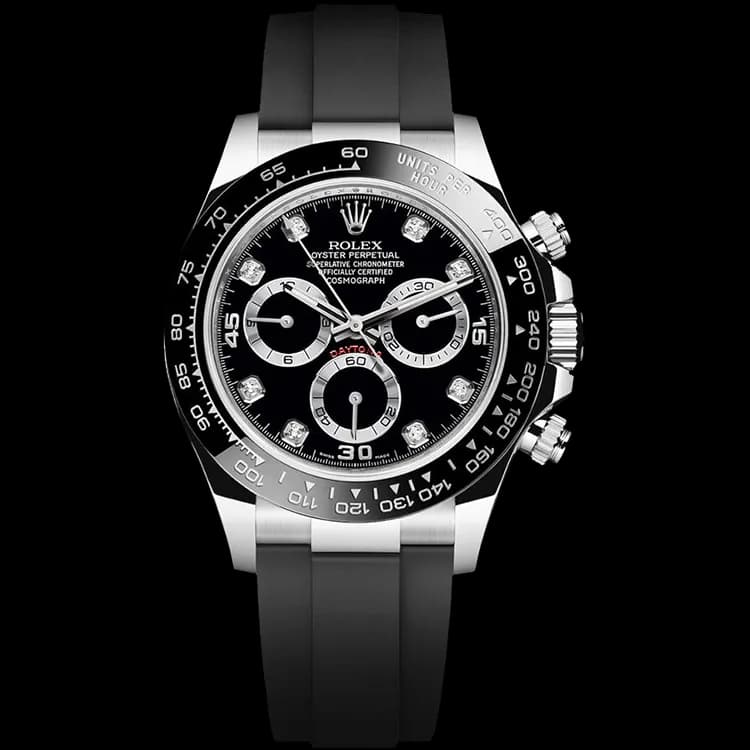
Rolex
$50,000 – $60,000
Daytona
Ref. 116519LN
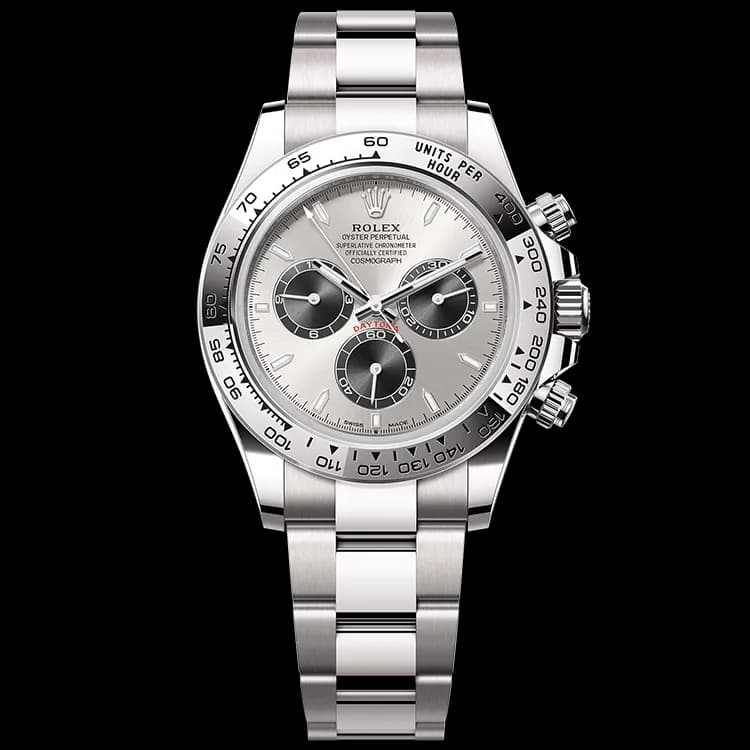
Rolex
$50,000 – $60,000
Daytona
Ref. 126509
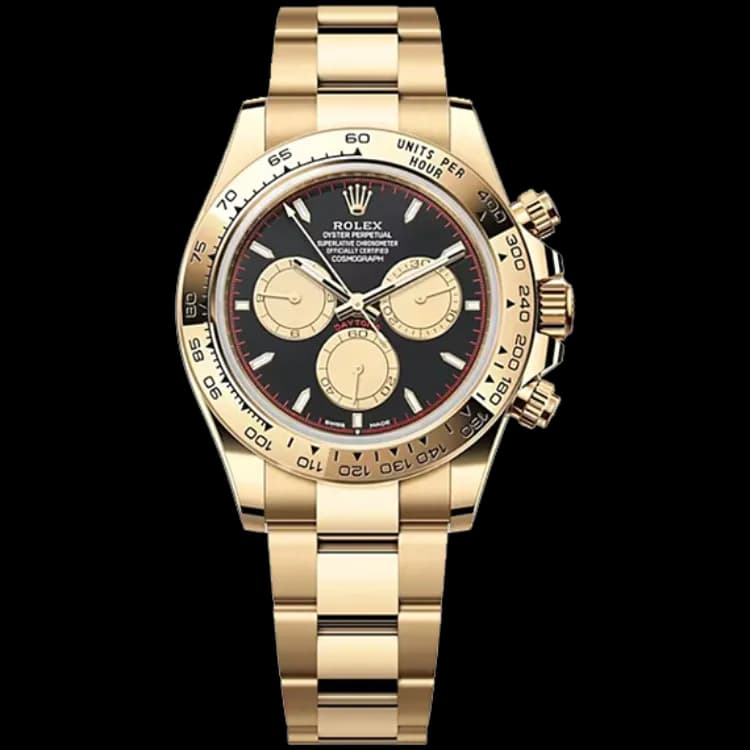
Rolex
$50,000 – $60,000
Daytona
Ref. 126508
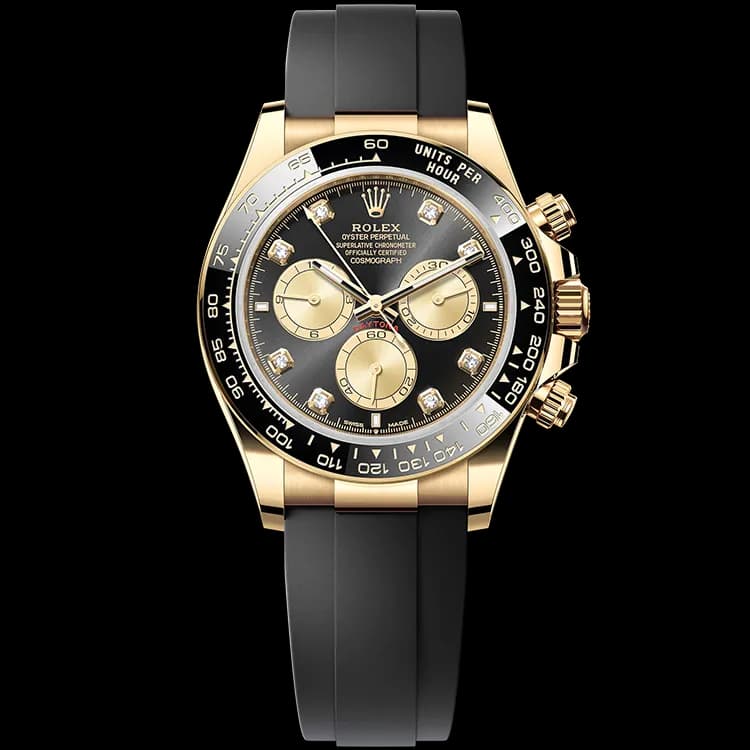
Rolex
$50,000 – $60,000
Daytona
Ref. 126518LN
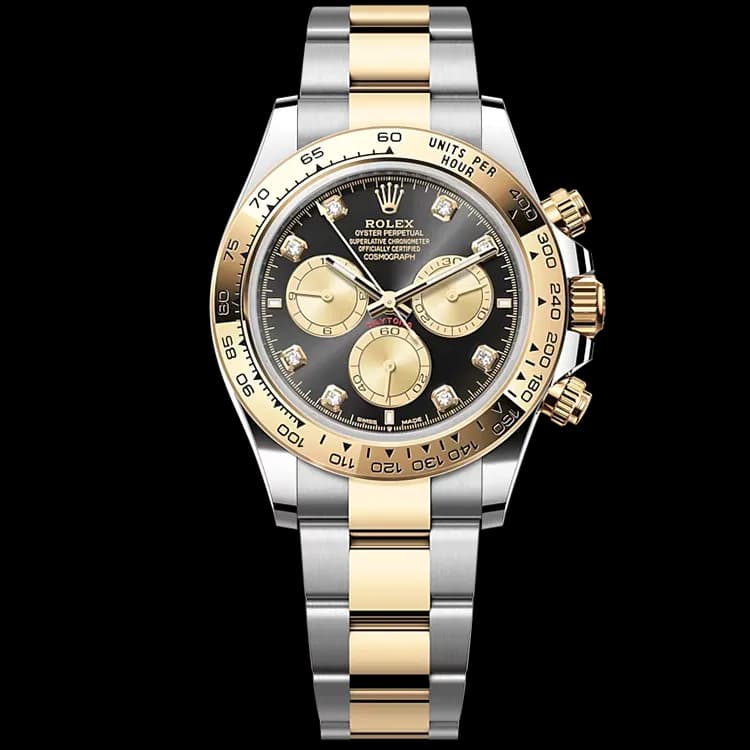
Rolex
$25,000 – $30,000
Daytona
Ref. 126503
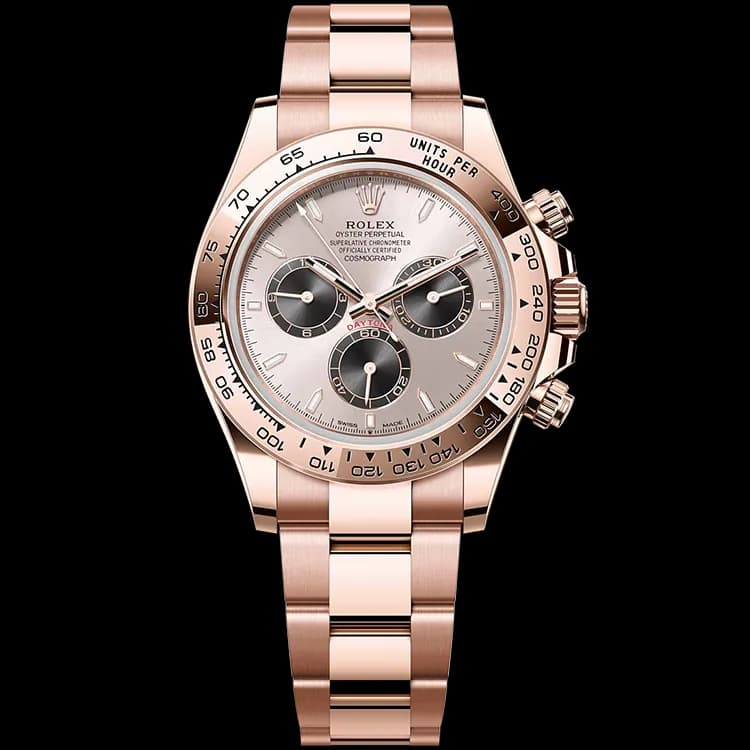
Rolex
$50,000 – $60,000
Daytona
Ref. 126505
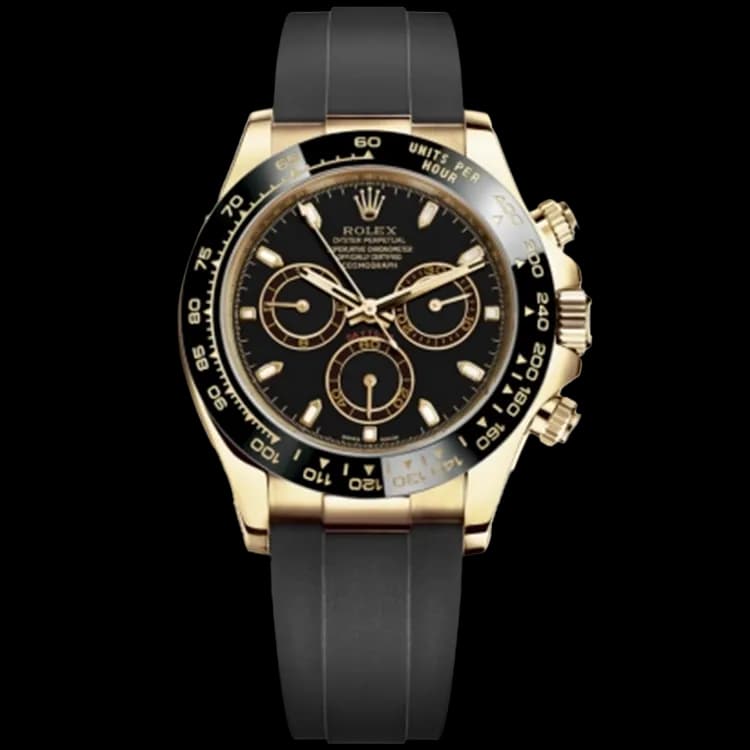
Rolex
$40,000 – $50,000
Daytona
Ref. 116518LN
FAQ
Rolex Daytona vs Omega Speedmaster — Buyer Questions
More Comparisons
Need a recommendation?
Talk to a specialist before you buy.
Our team has placed every reference on this page on dozens of wrists. Tell us your wear pattern and budget — we'll point you to the right one.