
Buyer's Comparison
AP Royal Oak Offshore vs Rolex Daytona
The AP Royal Oak Offshore and Rolex Daytona are the two definitive luxury sports chronographs of the modern era — but they target different buyers. The Daytona is the cultural icon — 40mm Oystersteel case, Cerachrom bezel, in-house Calibre 4131, and a secondary-market premium that reflects deliberate Rolex production scarcity. The Royal Oak Offshore is the technically demanding alternative — 42–44mm case (often in ceramic, titanium or forged carbon), AP Calibre 4404 automatic chronograph, and the iconic eight-sided bezel that ties it visually to Genta's original 1972 Royal Oak. Both share a chronograph complication, both are integrated-bracelet (or rubber-strap) sports watches, and both command meaningful premiums in the secondary market. The Daytona 126500LN trades $30,000–$42,000; the Royal Oak Offshore 26405CE in ceramic trades $40,000–$60,000. The Daytona is the more universally-recognised piece and the more liquid resale; the Offshore is the more architecturally-bold, more technically-materialed alternative for buyers who want something less ubiquitous than a Daytona.
Option A
AP Royal Oak Offshore
The integrated-bracelet luxury sports chronograph
Best For
- Bolder visual identity
- Technical materials
- Less ubiquitous than Daytona
Option B
Rolex Daytona
The cultural icon chronograph
Best For
- Cultural status
- Universal recognition
- Maximum resale liquidity
The Verdict
The Daytona for cultural status and maximum resale liquidity. The Royal Oak Offshore for a less ubiquitous, more technically-materialed luxury sports chronograph.
In Stock
AP Royal Oak Offshore — Available
Audemars Piguet
Price on request
Royal Oak Offshore
Ref. 26420SO
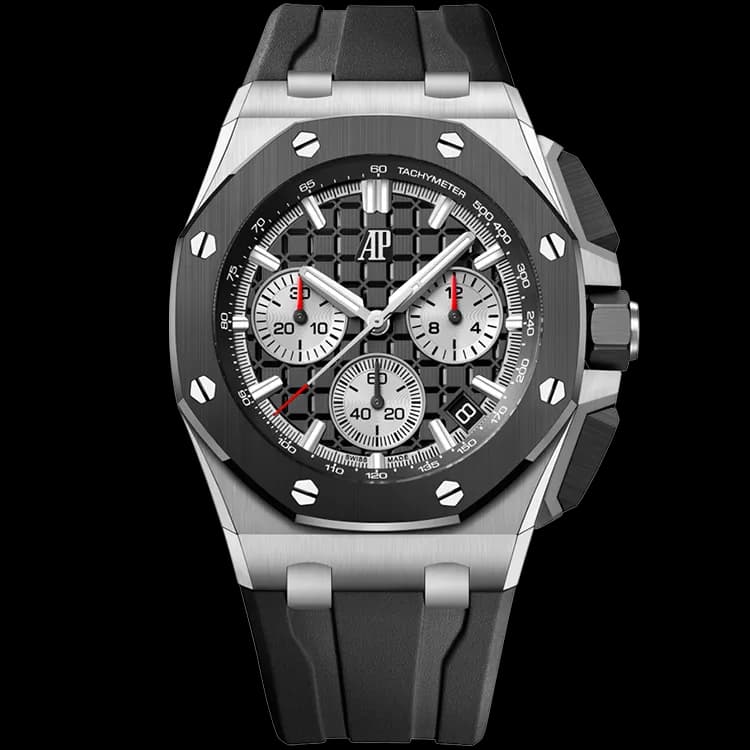
Audemars Piguet
$30,000 – $40,000
Royal Oak Offshore
Ref. 26420SO
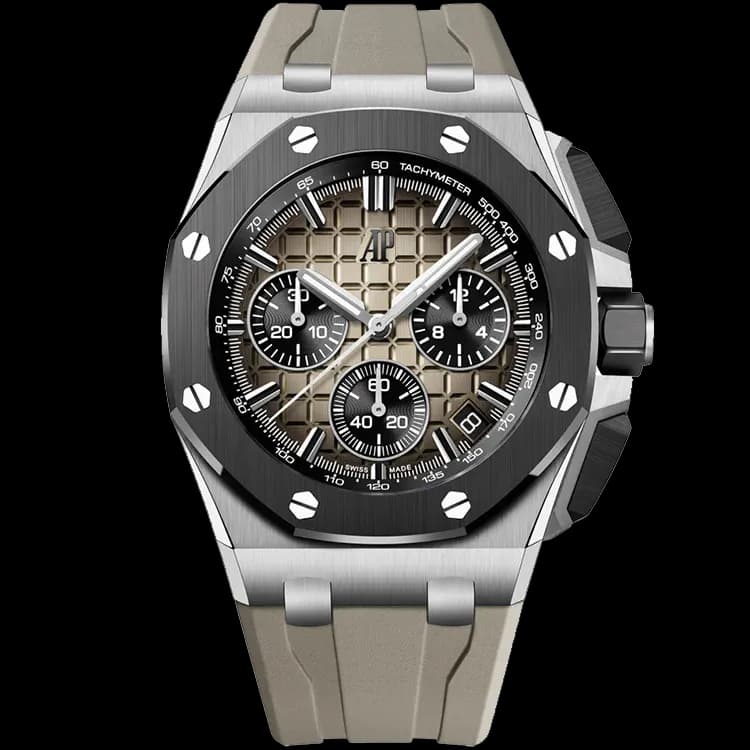
Audemars Piguet
$40,000 – $50,000
Royal Oak Offshore
Ref. 26420SO
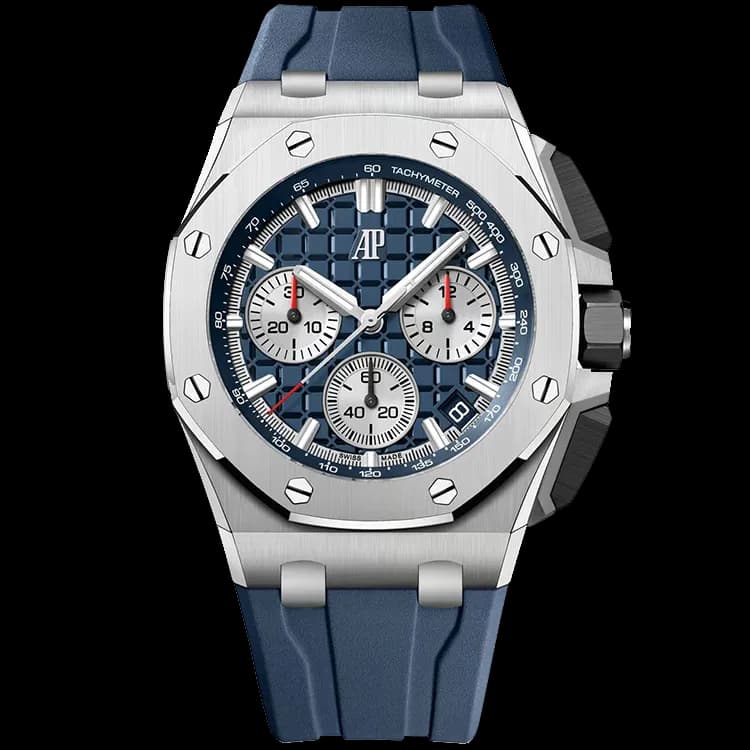
Audemars Piguet
$40,000 – $50,000
Royal Oak Offshore
Ref. 26420TI
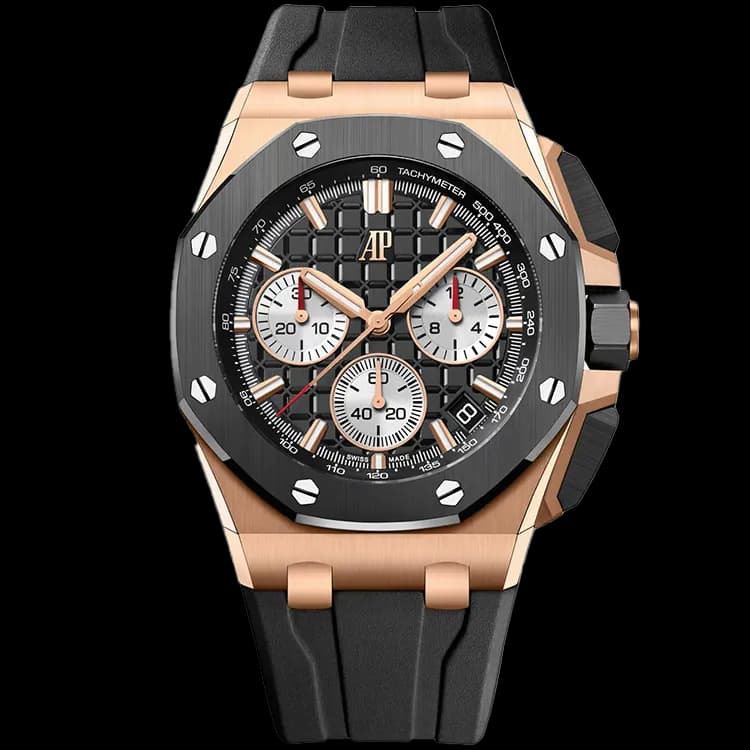
Audemars Piguet
$70,000 – $80,000
Royal Oak Offshore
Ref. 26420RO
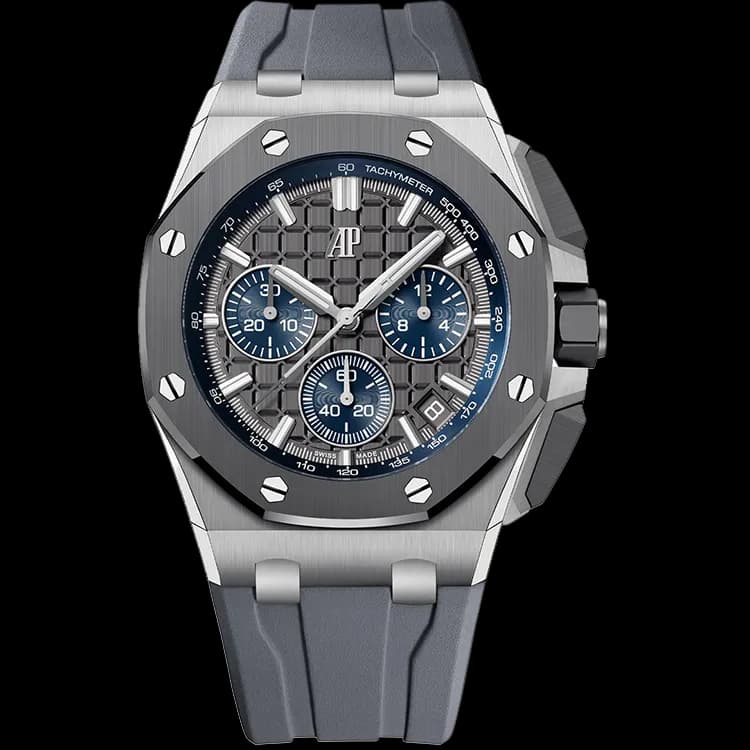
Audemars Piguet
$40,000 – $50,000
Royal Oak Offshore
Ref. 26420IO
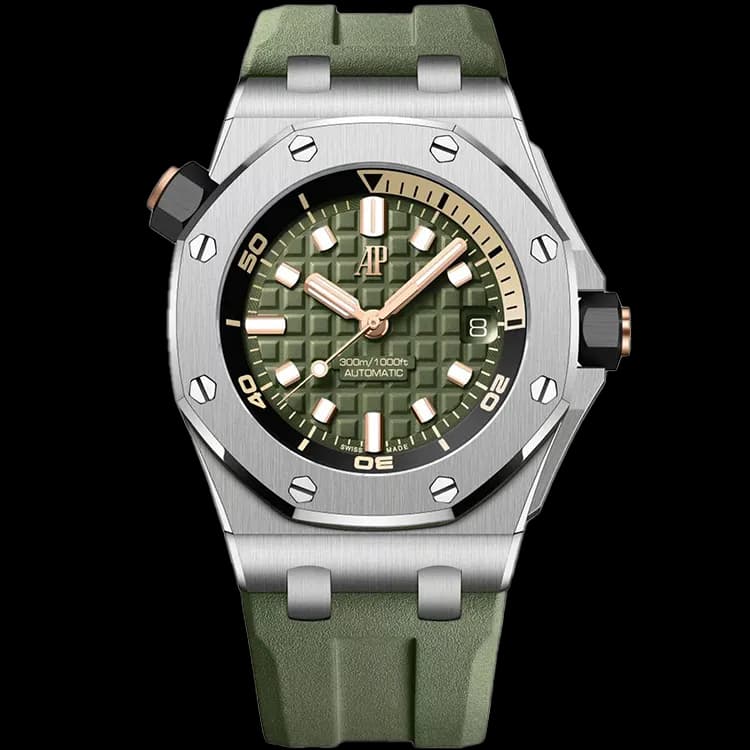
Audemars Piguet
$30,000 – $40,000
Royal Oak Offshore
Ref. 15720ST
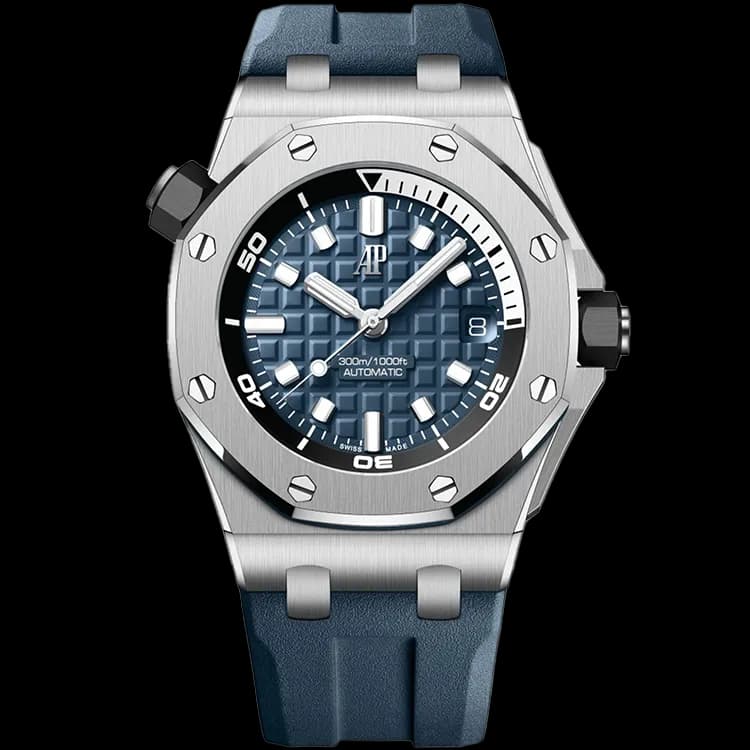
Audemars Piguet
$30,000 – $40,000
Royal Oak Offshore
Ref. 15720ST
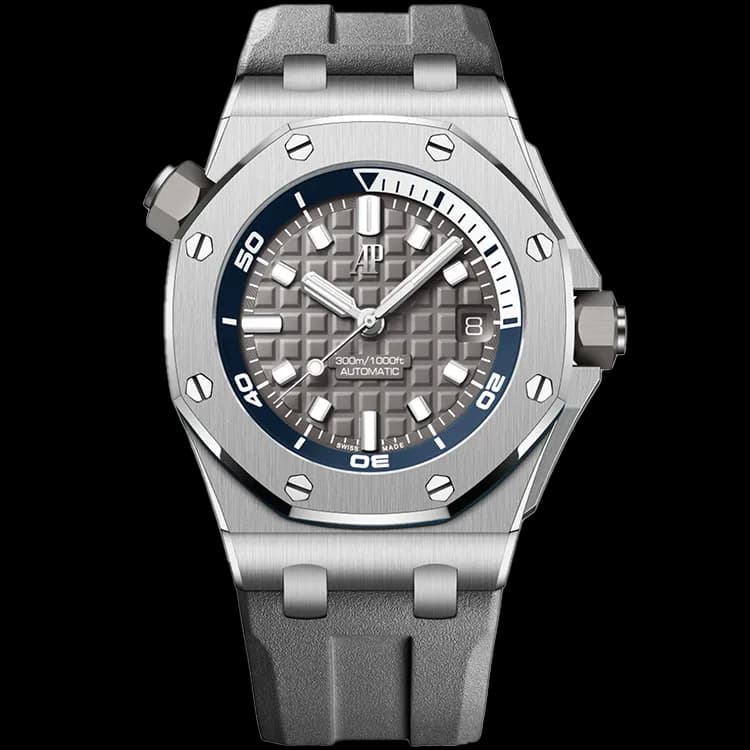
Audemars Piguet
$30,000 – $40,000
Royal Oak Offshore
Ref. 15720ST
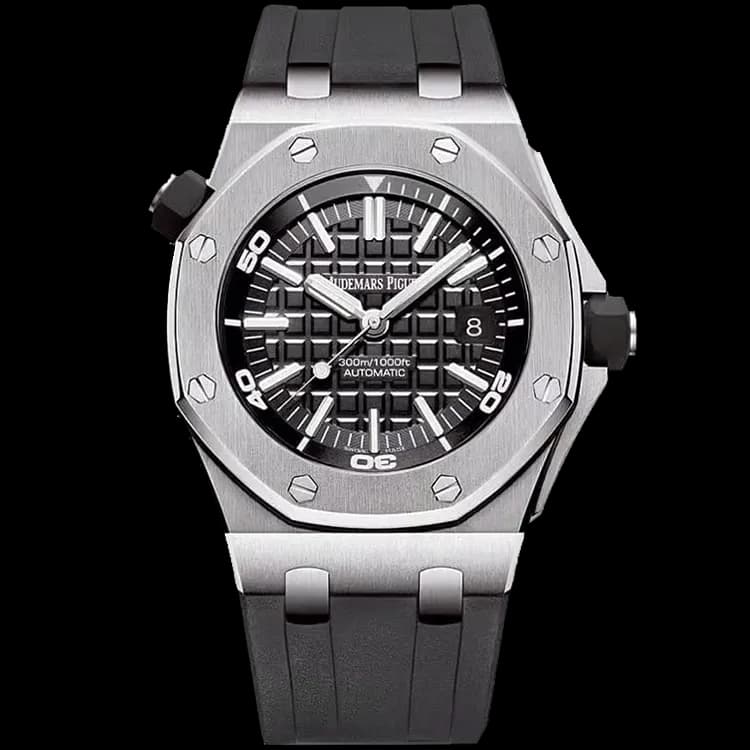
Audemars Piguet
$30,000 – $40,000
Royal Oak Offshore
Ref. 15710ST
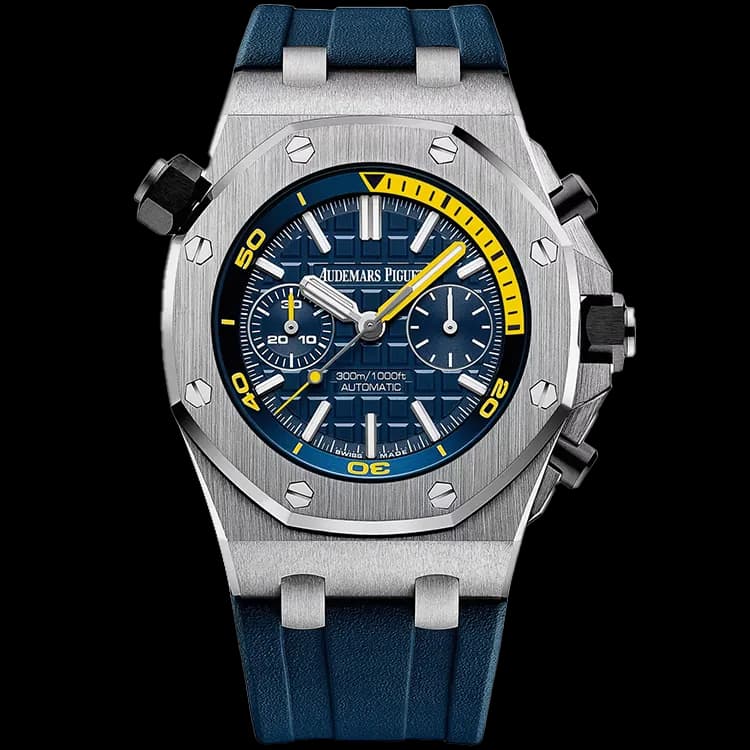
Audemars Piguet
$30,000 – $40,000
Royal Oak Offshore
Ref. 26703ST
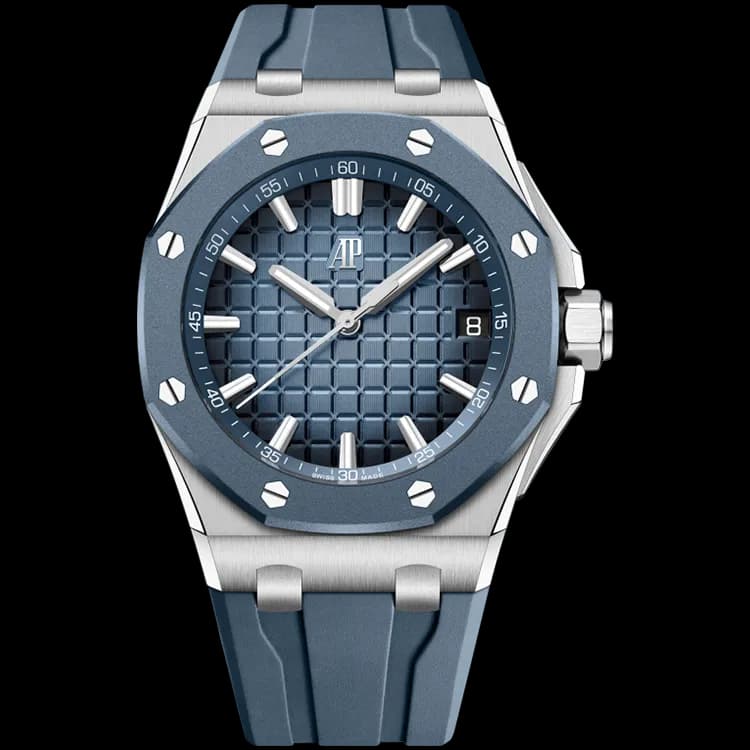
Audemars Piguet
Price on request
Royal Oak Offshore
Ref. 15605SK
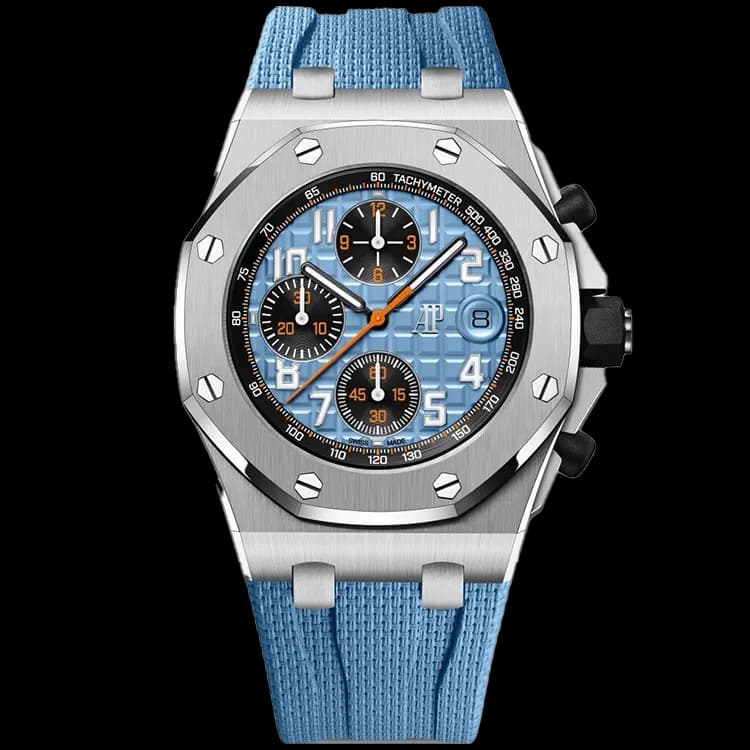
Audemars Piguet
$50,000 – $60,000
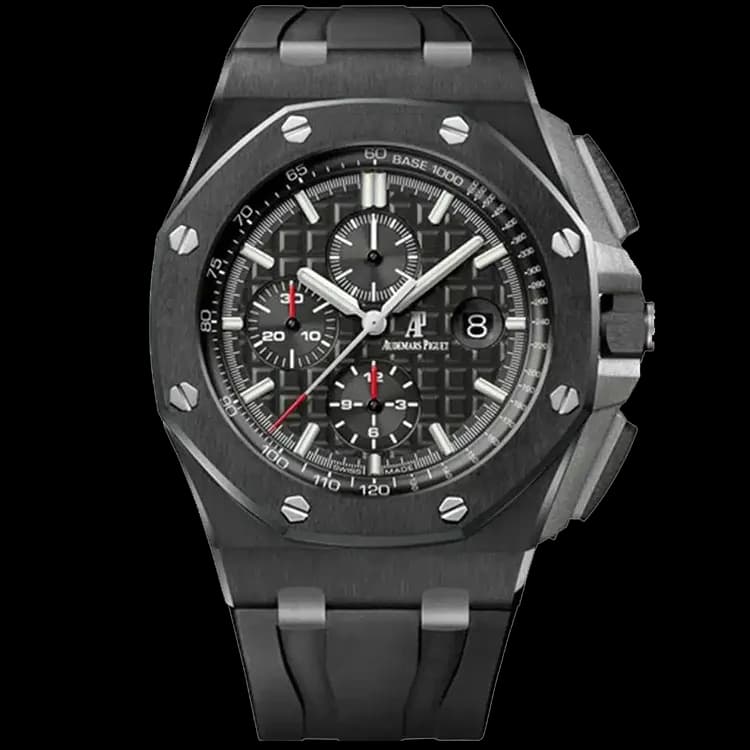
Royal Oak Offshore
Ref. 26238ST
Audemars Piguet
$50,000 – $60,000
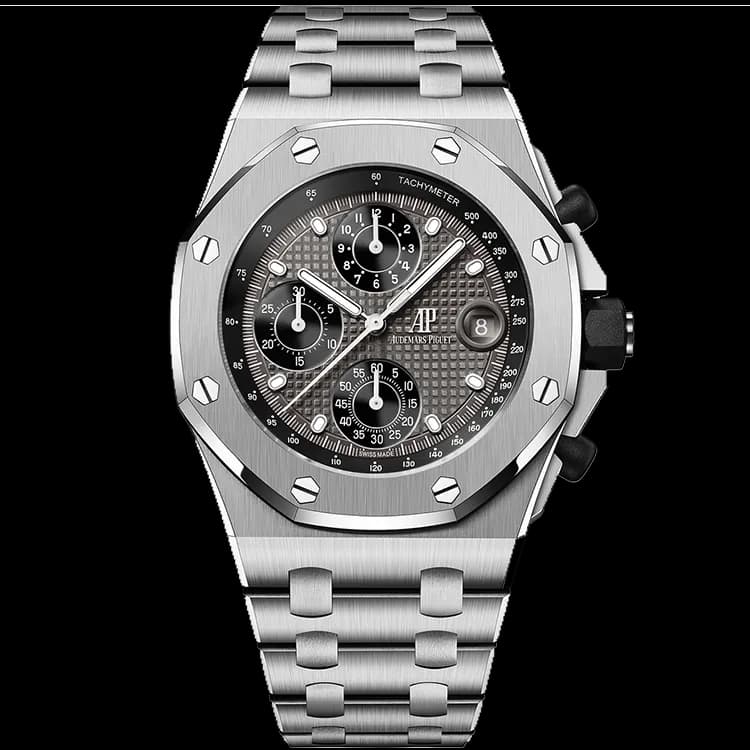
Royal Oak Offshore
Ref. 26405CE
Audemars Piguet
$40,000 – $50,000
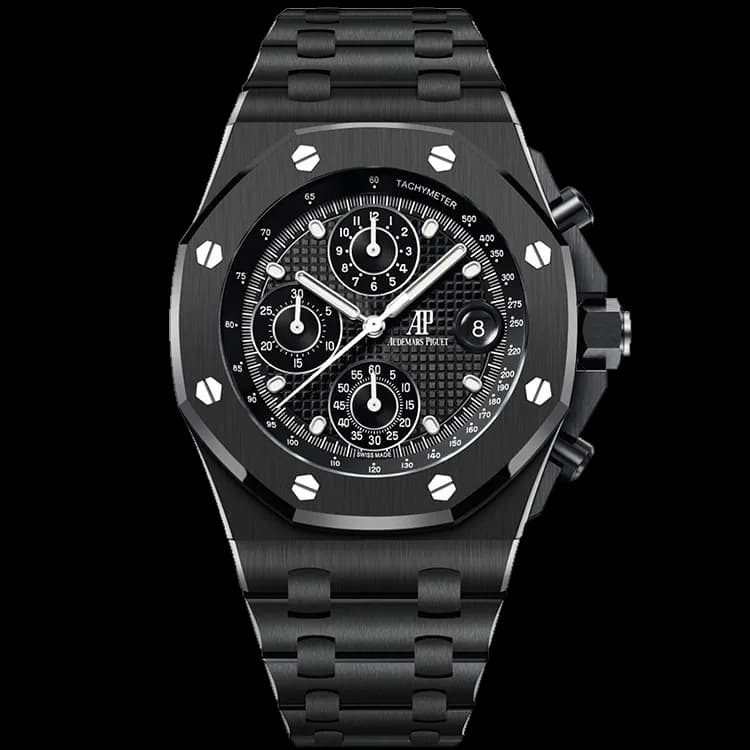
Royal Oak Offshore
Ref. 26238TI
Audemars Piguet
$100,000 – $125,000
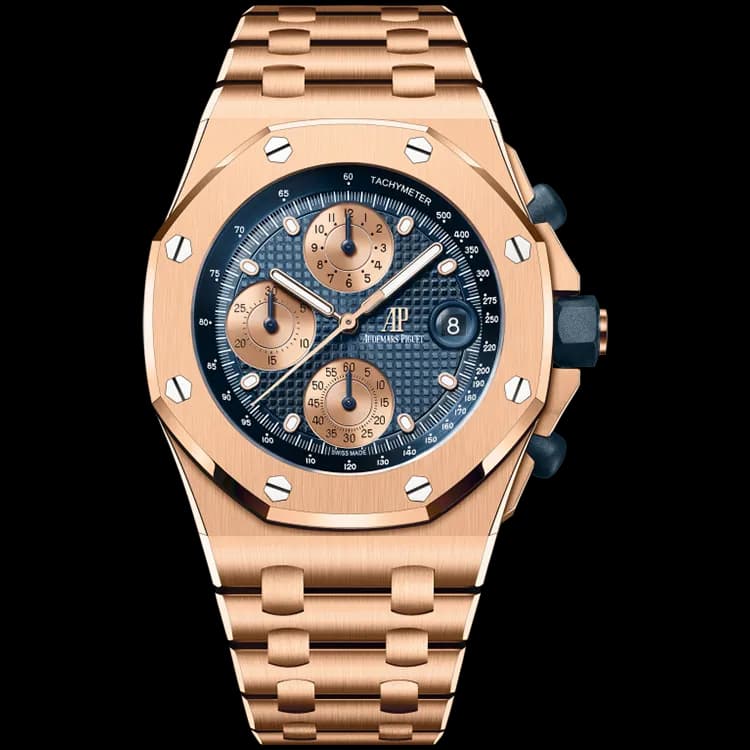
Royal Oak Offshore
Ref. 26238CE
Audemars Piguet
$70,000 – $80,000
Royal Oak Offshore
Ref. 26238OR
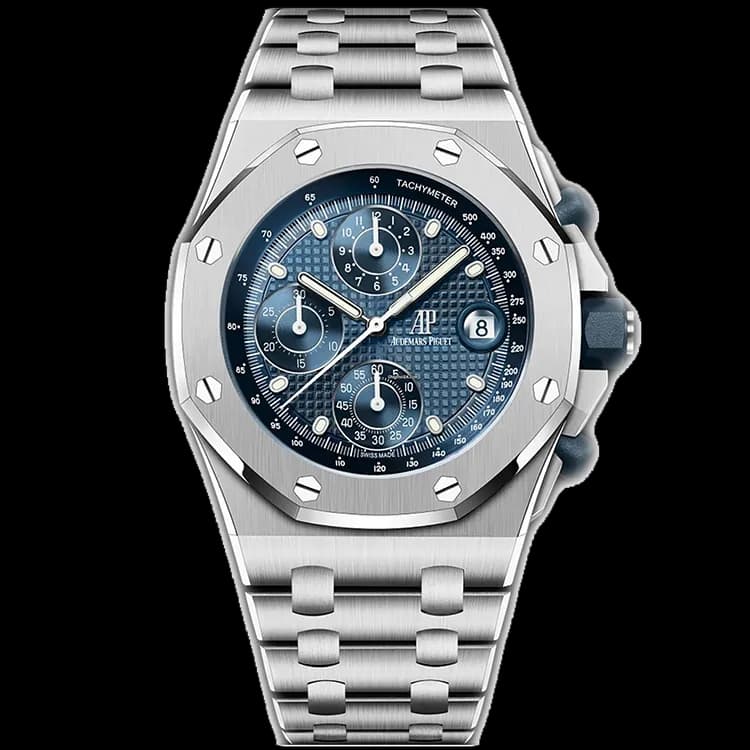
Audemars Piguet
$50,000 – $60,000
Royal Oak Offshore
Ref. 26238ST
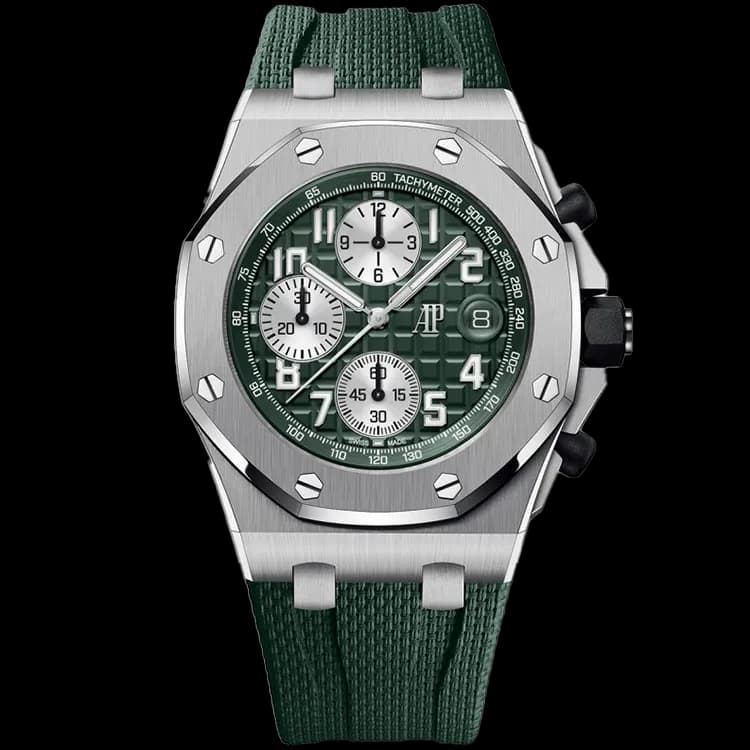
Audemars Piguet
$50,000 – $60,000
Royal Oak Offshore
Ref. 26238TI
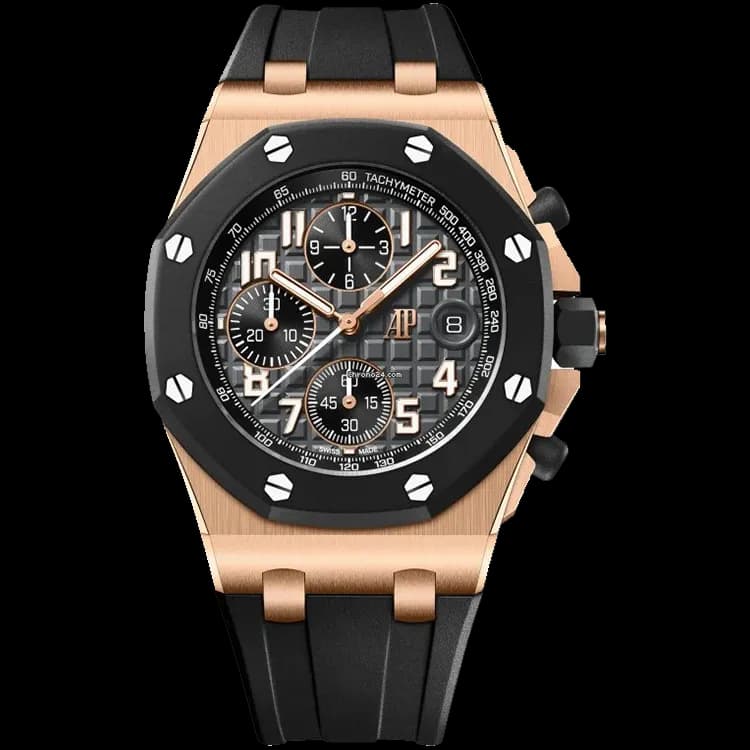
Audemars Piguet
$40,000 – $50,000
Royal Oak Offshore
Ref. 26238OK
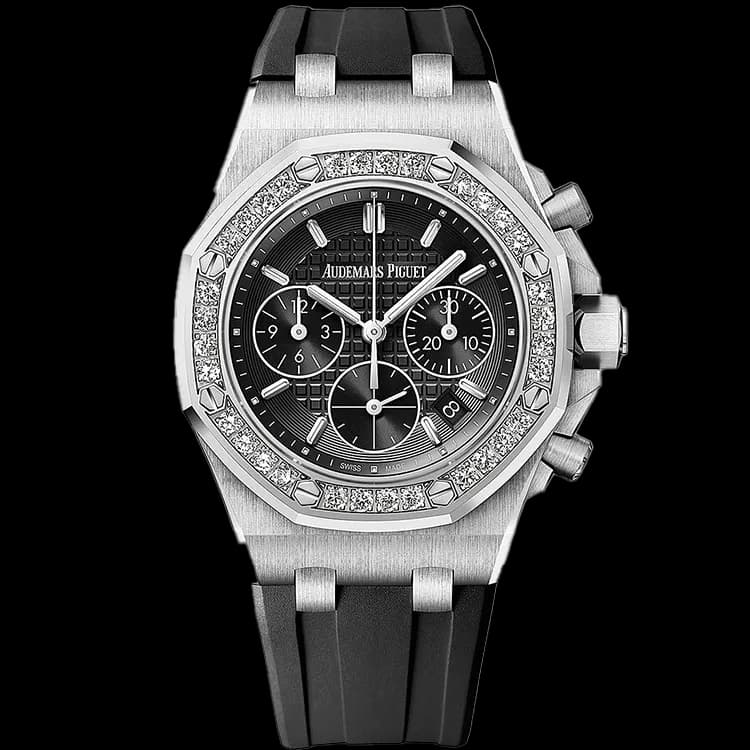
Audemars Piguet
$50,000 – $60,000
Royal Oak Offshore
Ref. 26231ST
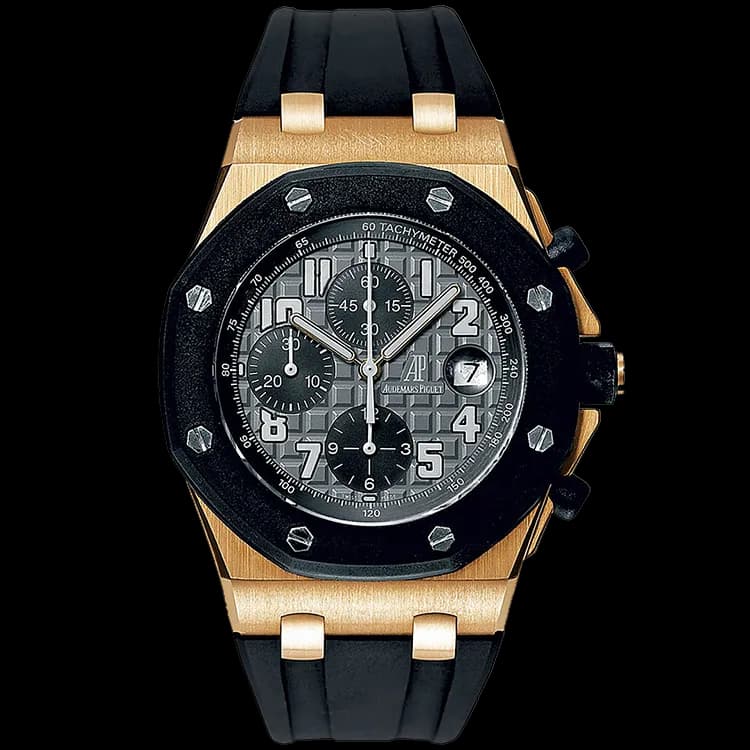
Audemars Piguet
$40,000 – $50,000
Royal Oak Offshore
Ref. 25940OK
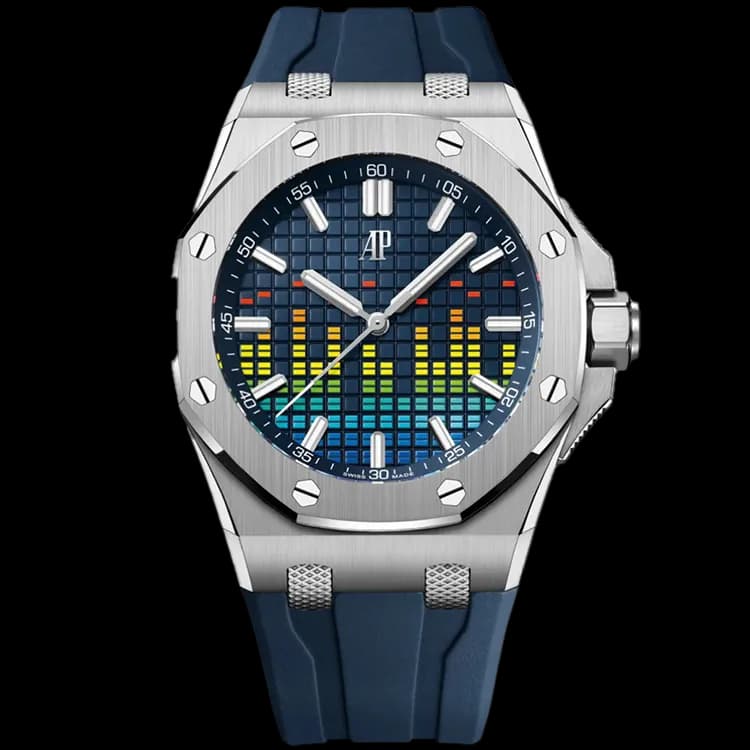
Audemars Piguet
$50,000 – $60,000
Royal Oak Offshore
Ref. 15600TI
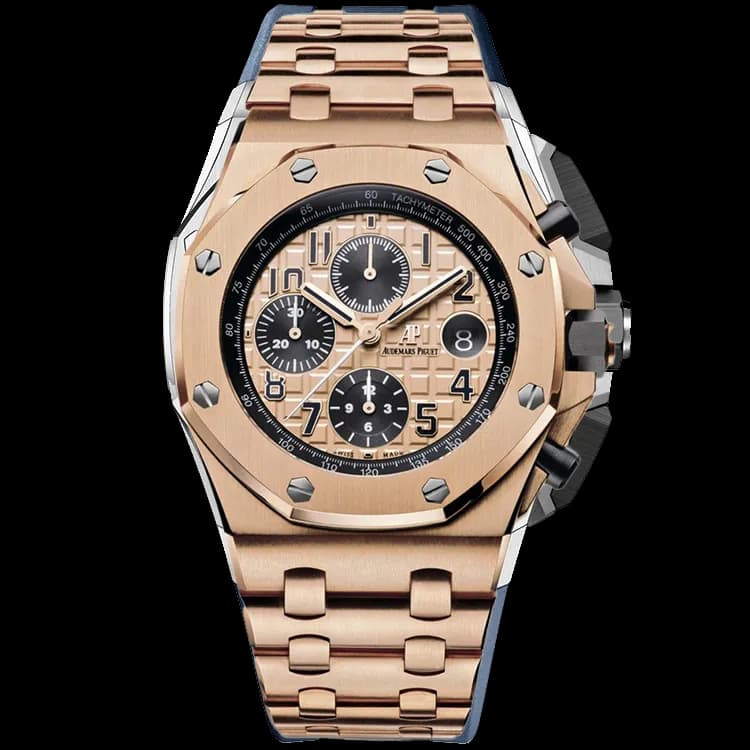
Audemars Piguet
$70,000 – $80,000
Royal Oak Offshore
Ref. 26470OR
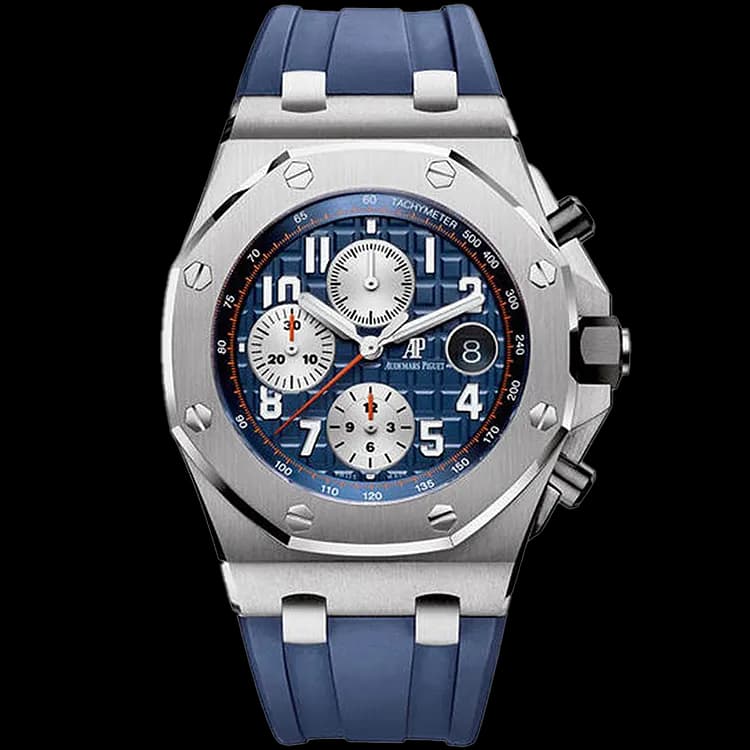
Audemars Piguet
$30,000 – $40,000
Royal Oak Offshore
Ref. 26470ST
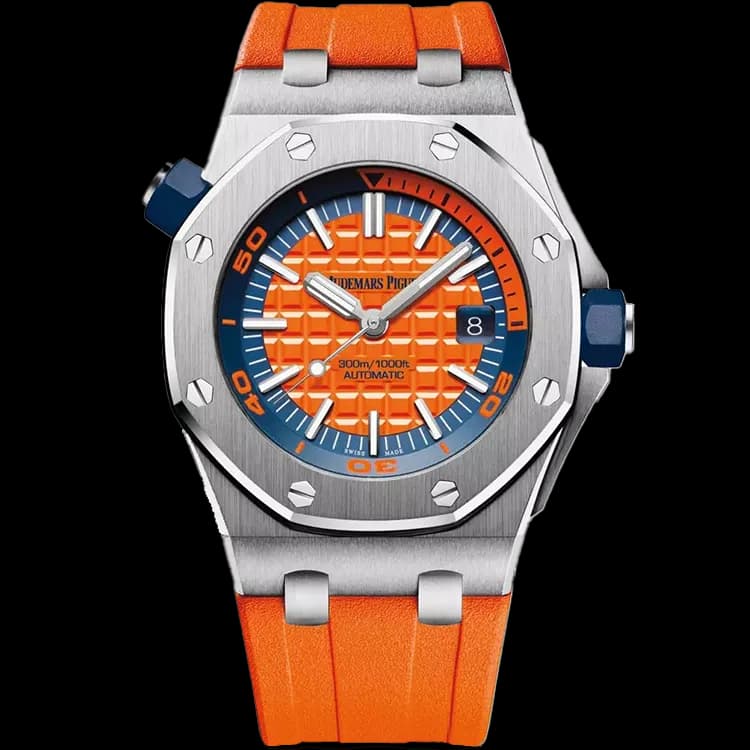
Audemars Piguet
$30,000 – $40,000
Royal Oak Offshore
Ref. 15710ST
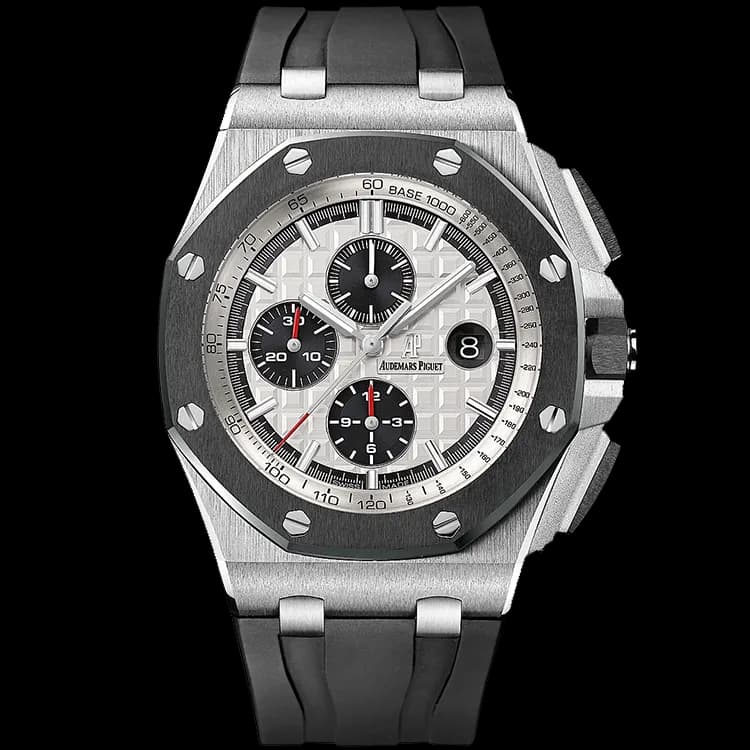
Audemars Piguet
$40,000 – $50,000
Royal Oak Offshore
Ref. 26400SO
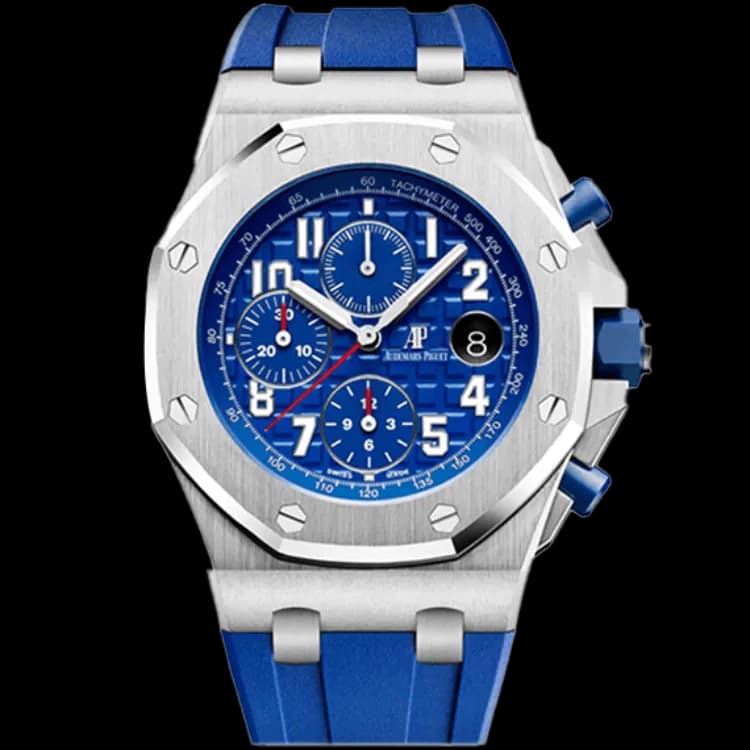
Audemars Piguet
$40,000 – $50,000
Royal Oak Offshore
Ref. 26470ST
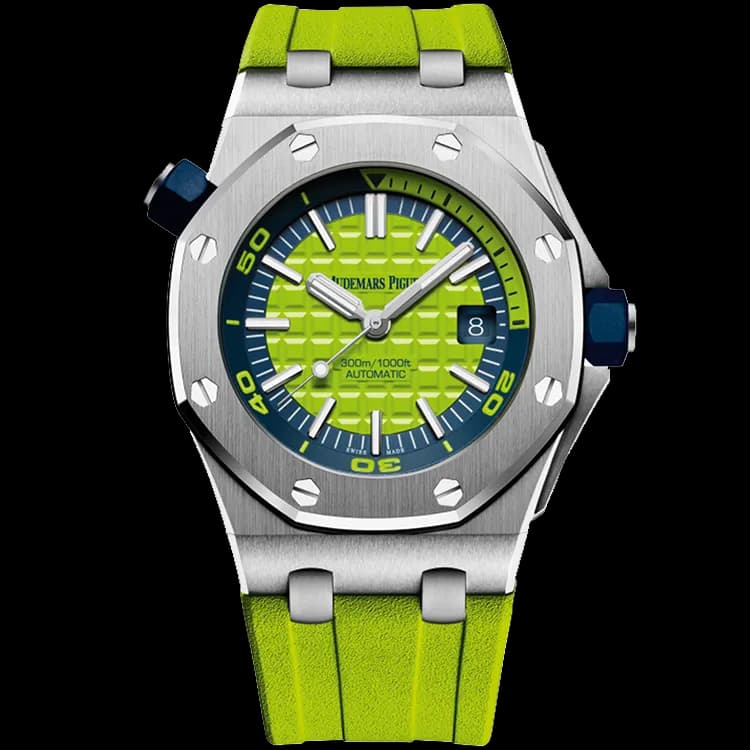
Audemars Piguet
$30,000 – $40,000
Royal Oak Offshore
Ref. 15710ST
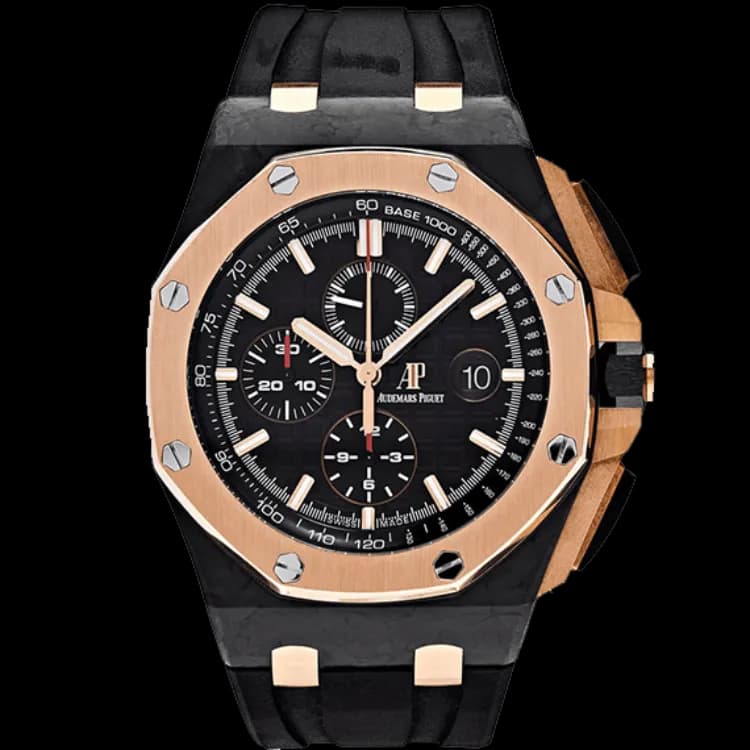
Audemars Piguet
$40,000 – $50,000
Royal Oak Offshore
Ref. 26406FR
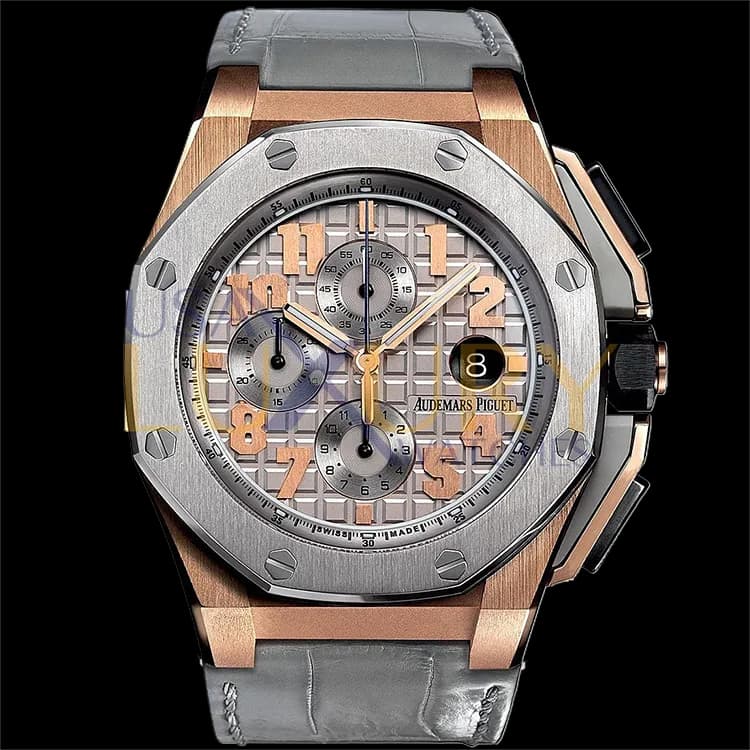
Audemars Piguet
$40,000 – $50,000
Royal Oak Offshore
Ref. 26210OI
Rolex Daytona — Available
Rolex
$50,000 – $60,000
Daytona
Ref. 126519LN
Rolex
$30,000 – $40,000
Daytona
Ref. 126500LN
Rolex
$25,000 – $30,000
Daytona
Ref. 126503
Rolex
$33,500
Daytona
Ref. 126500LN
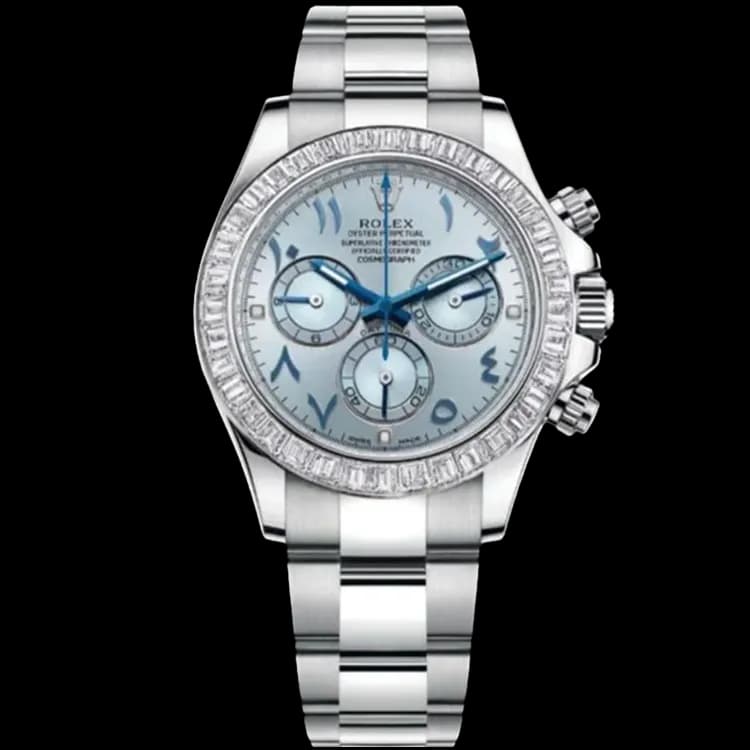
Rolex
$450,000 – $500,000
Daytona
Ref. 116576TBR
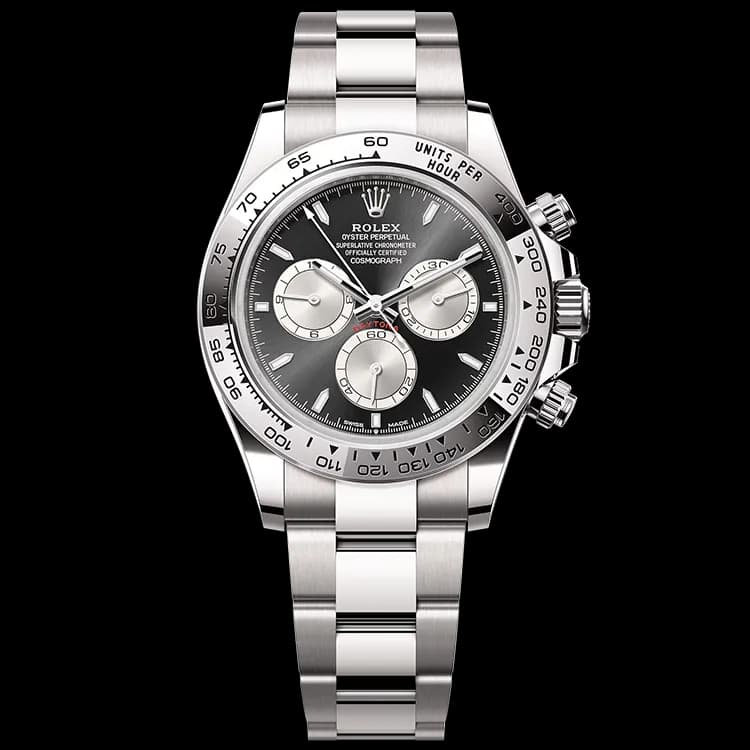
Rolex
$50,000 – $60,000
Daytona
Ref. 126509
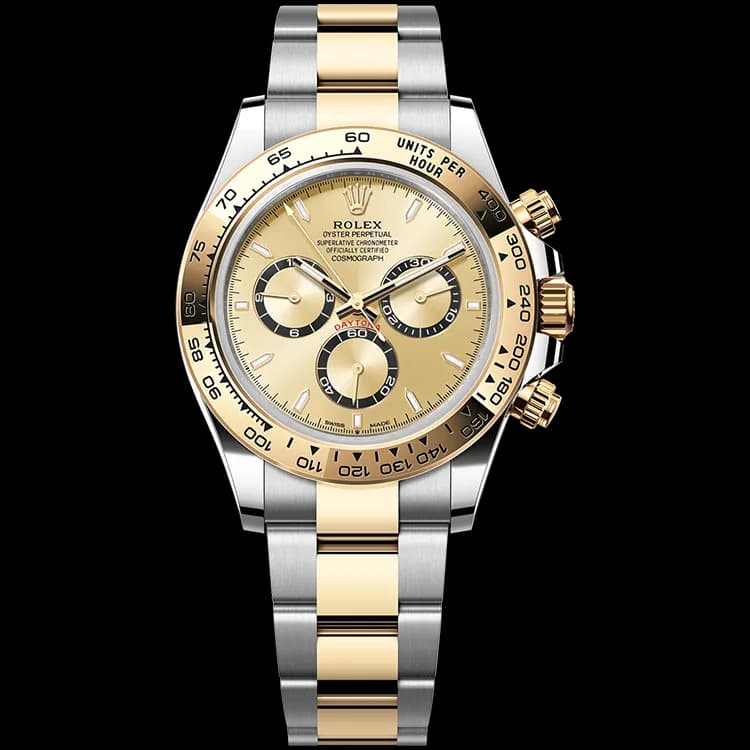
Rolex
$25,000 – $30,000
Daytona
Ref. 126503
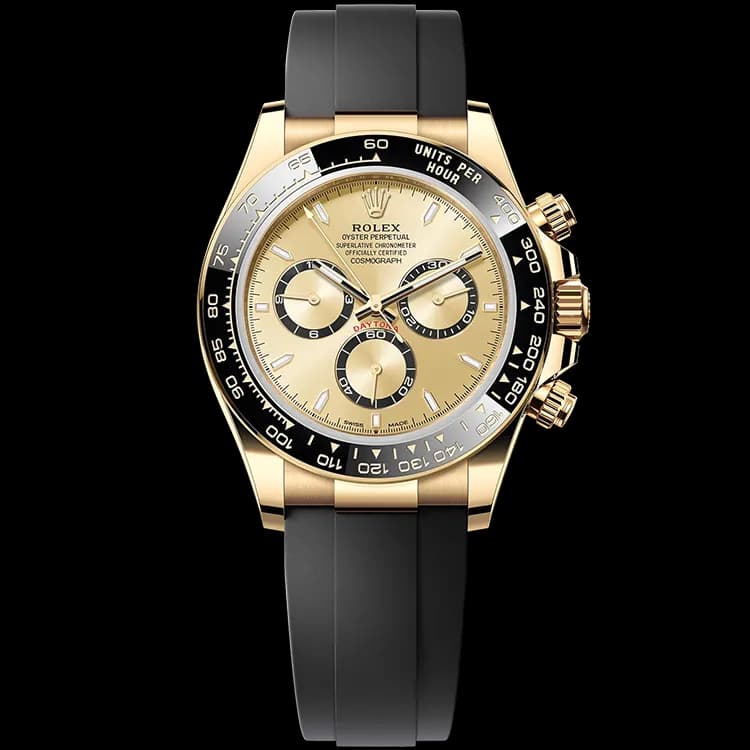
Rolex
$40,000 – $50,000
Daytona
Ref. 126518LN
Rolex
Price on request
Rainbow Daytona
Ref. 116595RBOW
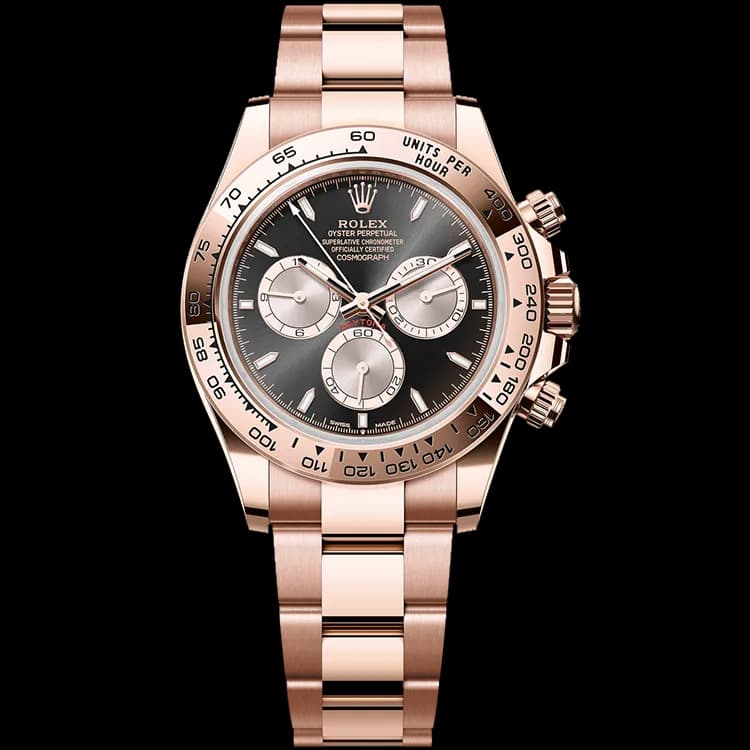
Rolex
$50,000 – $60,000
Daytona
Ref. 126505
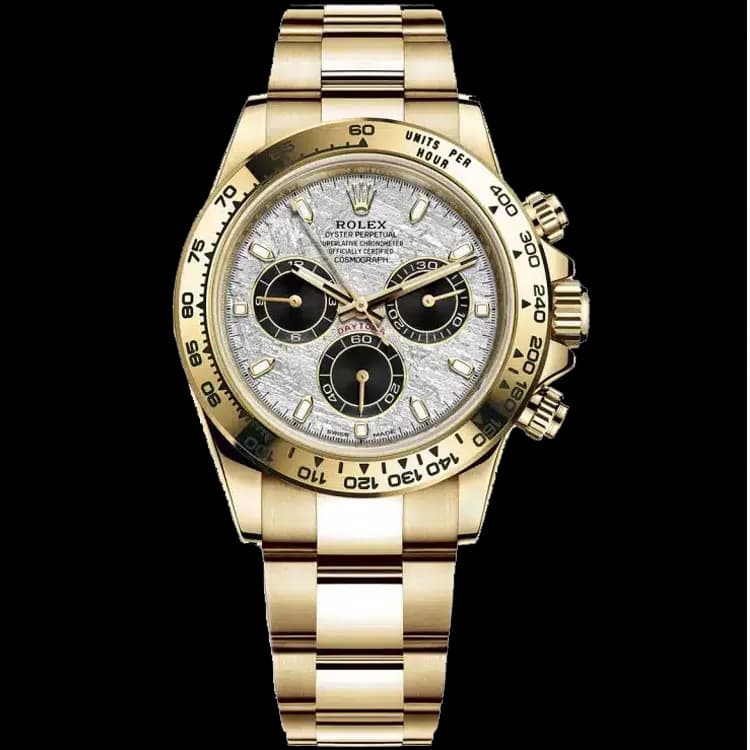
Rolex
$90,000 – $100,000
Daytona
Ref. 116508
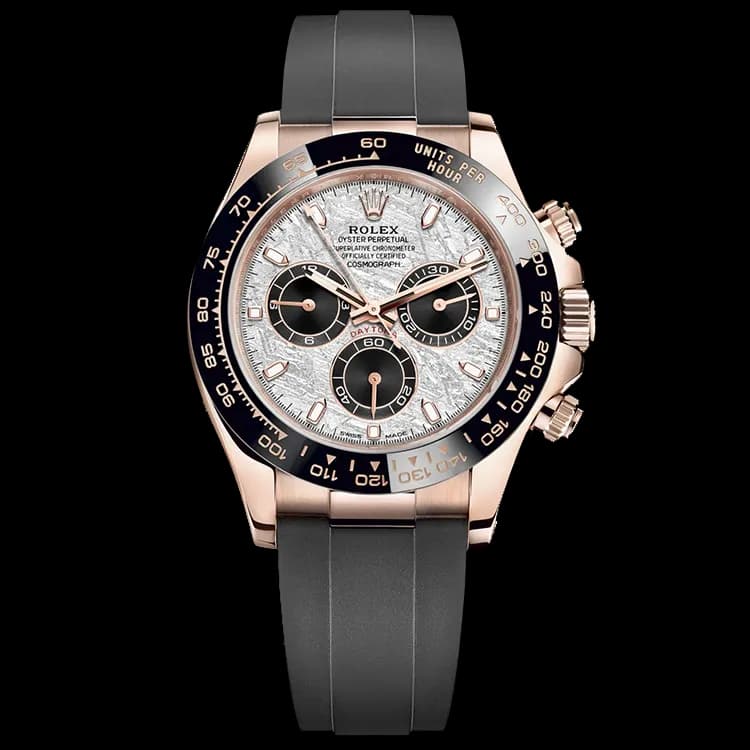
Rolex
$80,000 – $90,000
Daytona
Ref. 116515LN
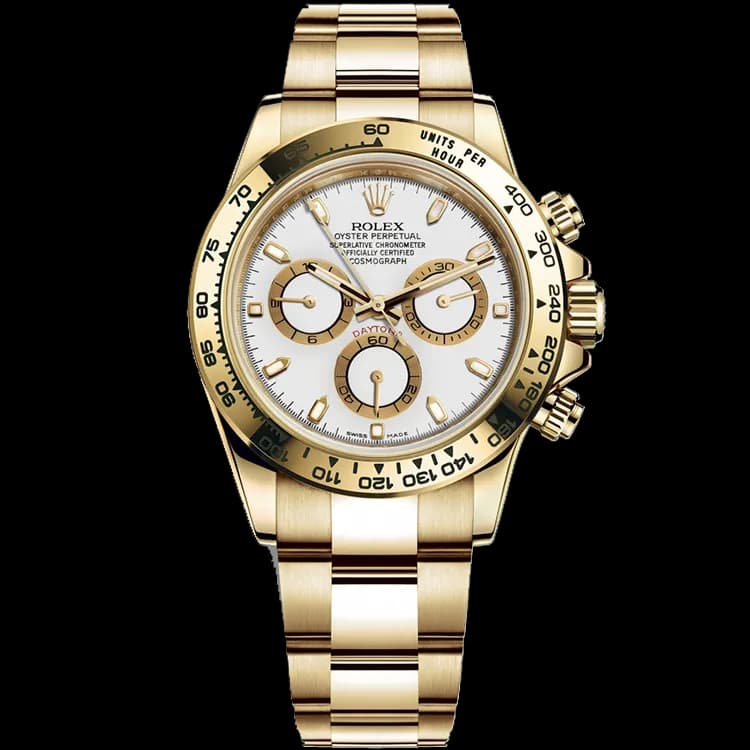
Rolex
$50,000 – $60,000
Daytona
Ref. 116508
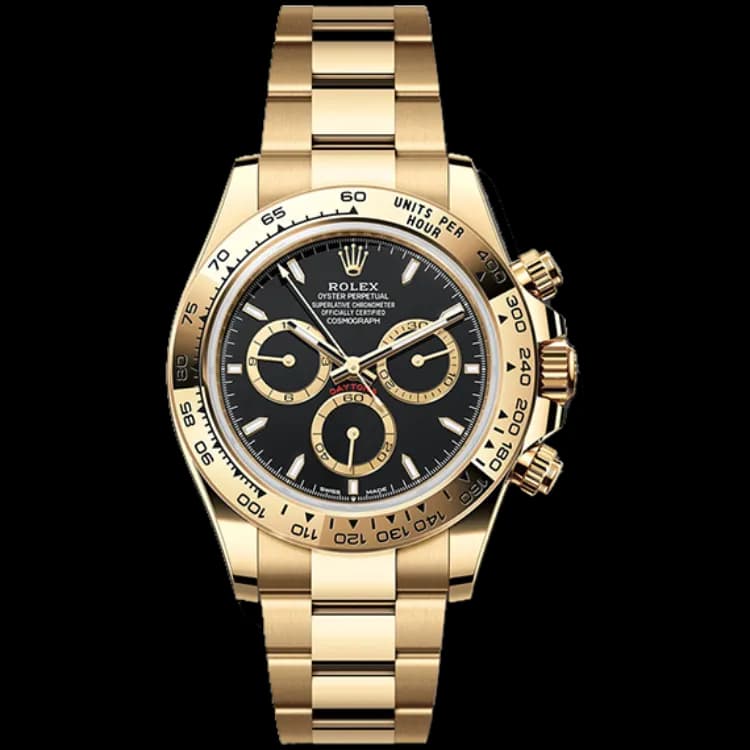
Rolex
$50,000 – $60,000
Daytona
Ref. 126508
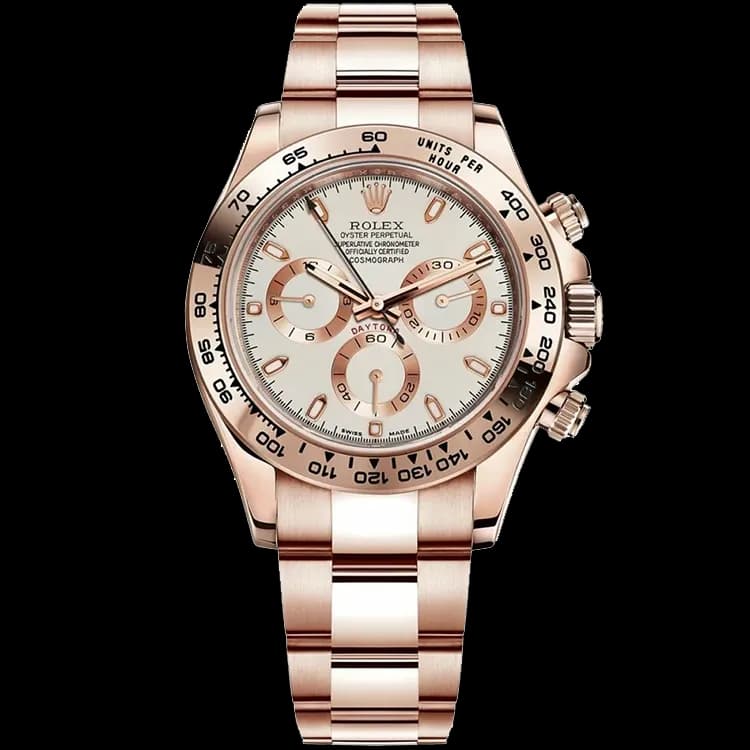
Rolex
$50,000 – $60,000
Daytona
Ref. 116505
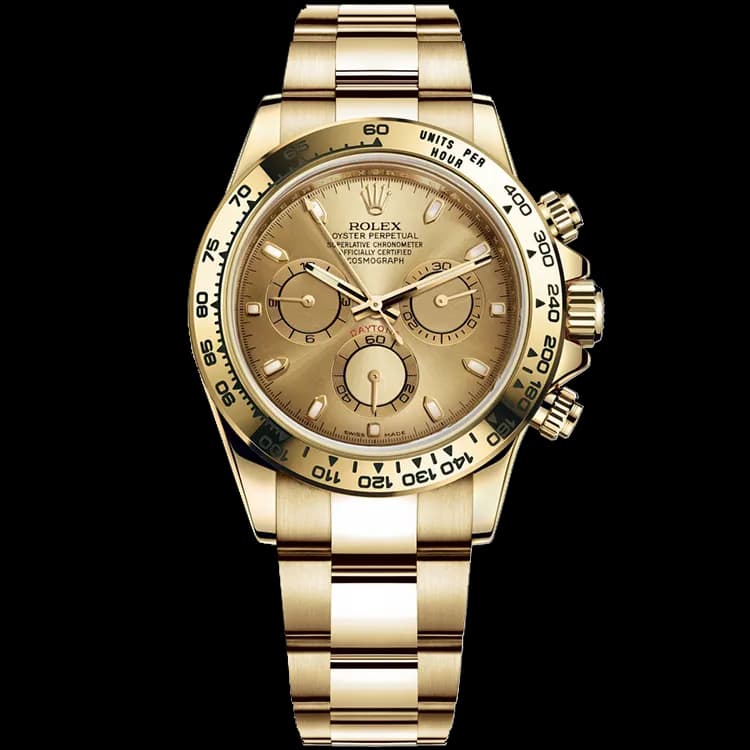
Rolex
$50,000 – $60,000
Daytona
Ref. 116508
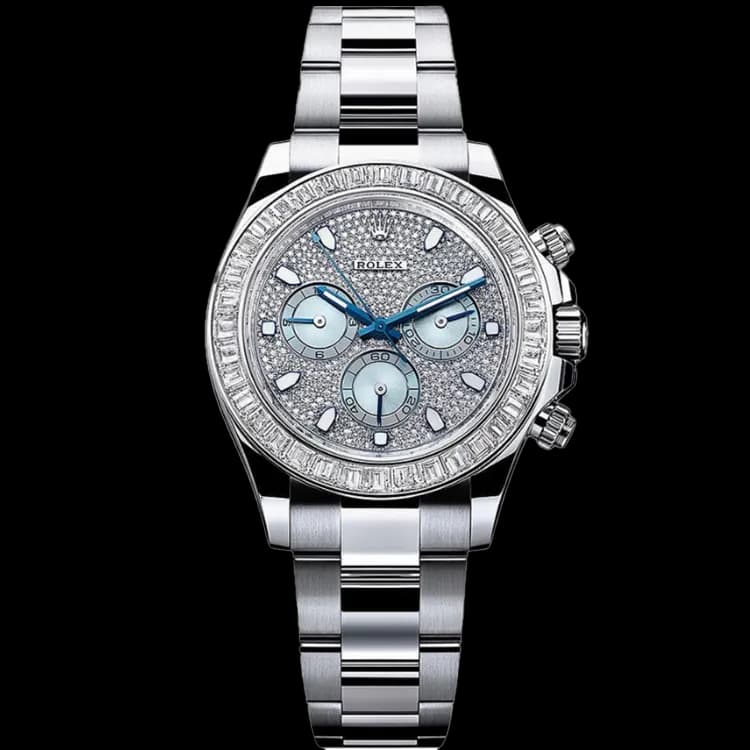
Rolex
$400,000 – $450,000
Daytona
Ref. 116576TBR
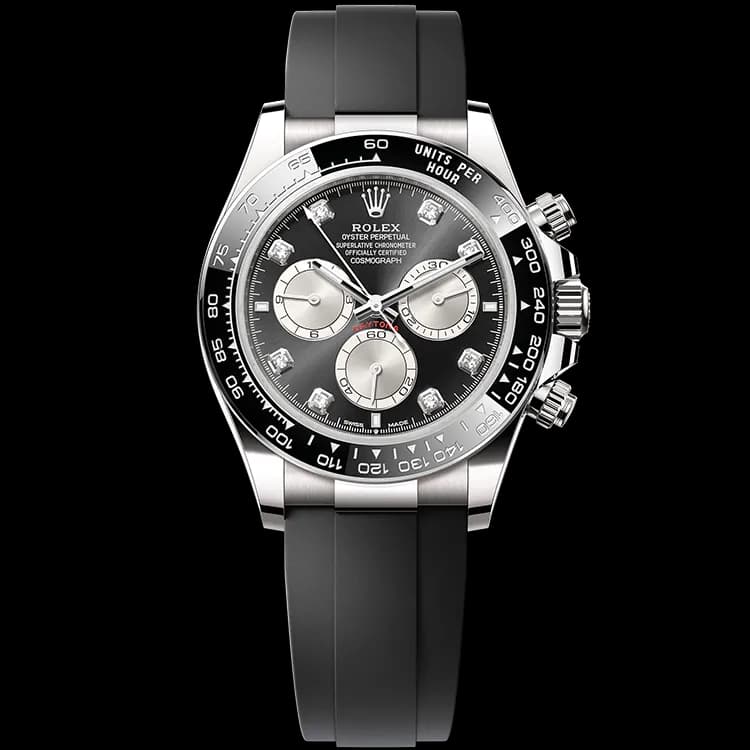
Rolex
$40,000 – $50,000
Daytona
Ref. 126519LN
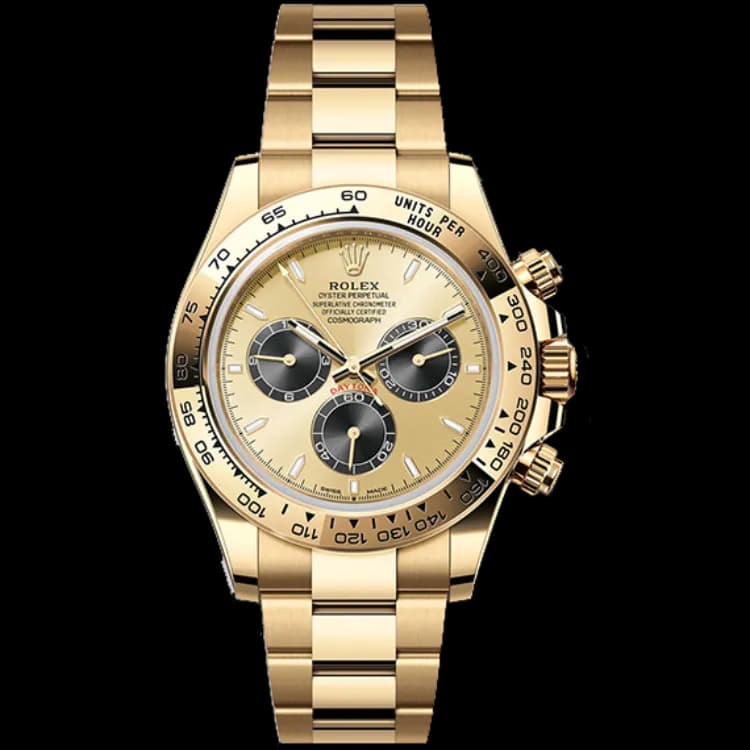
Rolex
$60,000 – $70,000
Daytona
Ref. 126508
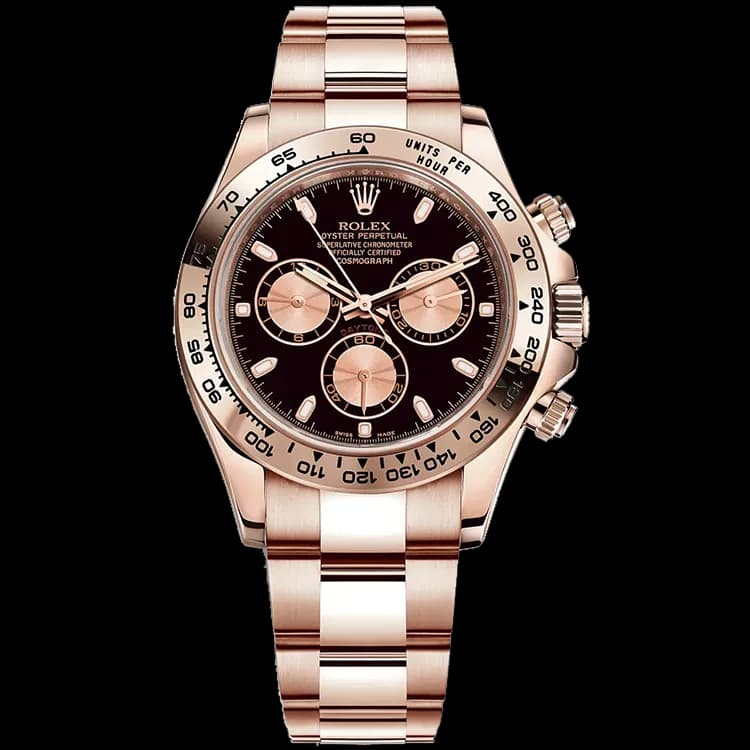
Rolex
$50,000 – $60,000
Daytona
Ref. 116505
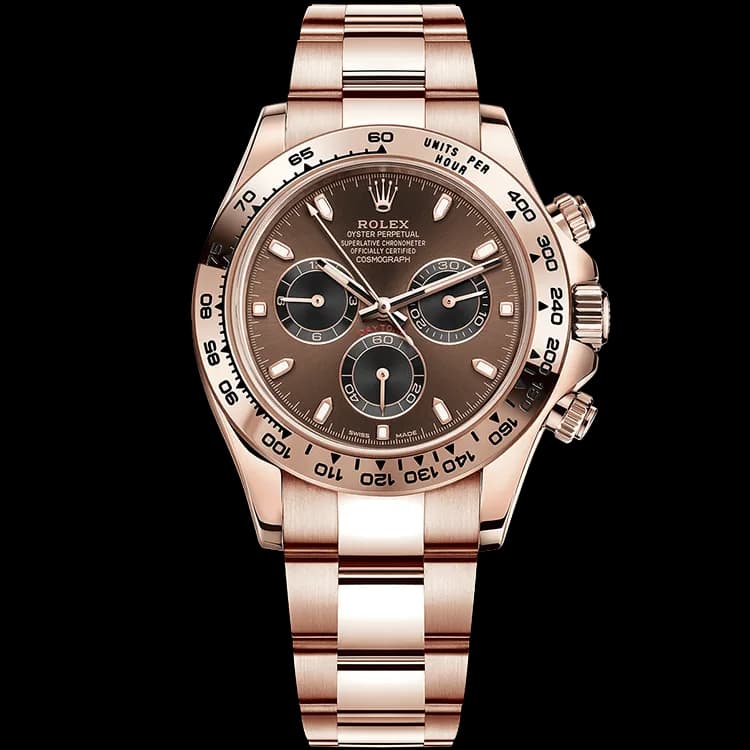
Rolex
$50,000 – $60,000
Daytona
Ref. 116505
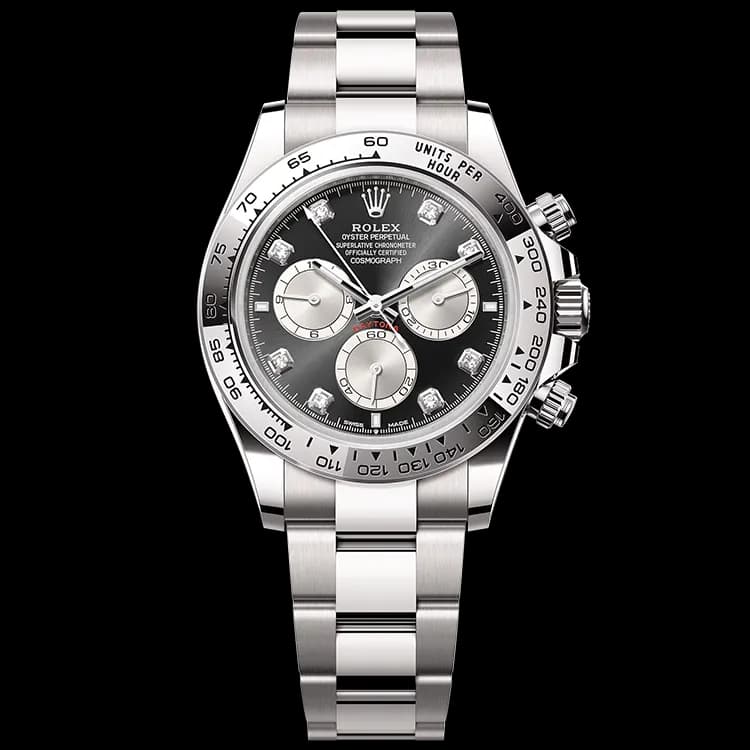
Rolex
$50,000 – $60,000
Daytona
Ref. 126509
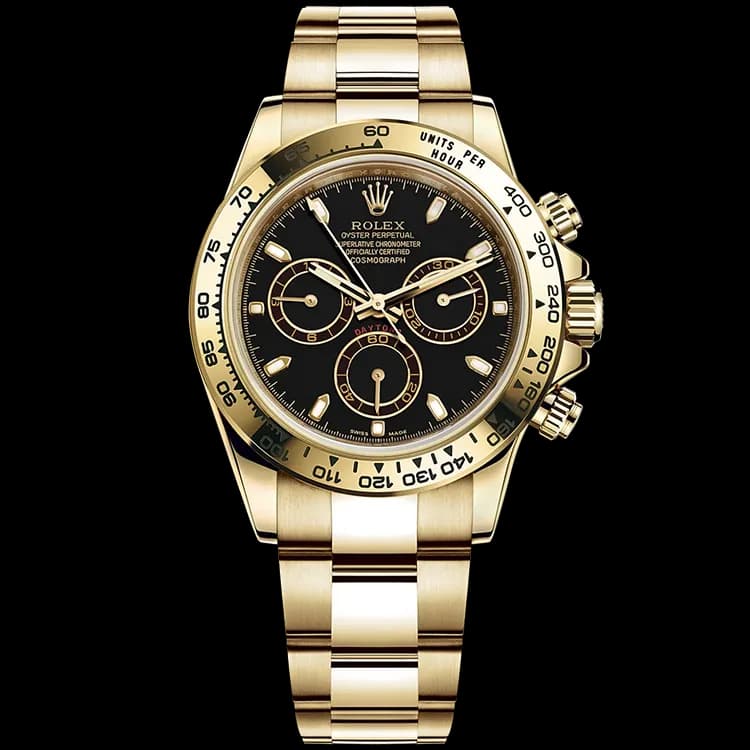
Rolex
$50,000 – $60,000
Daytona
Ref. 116508
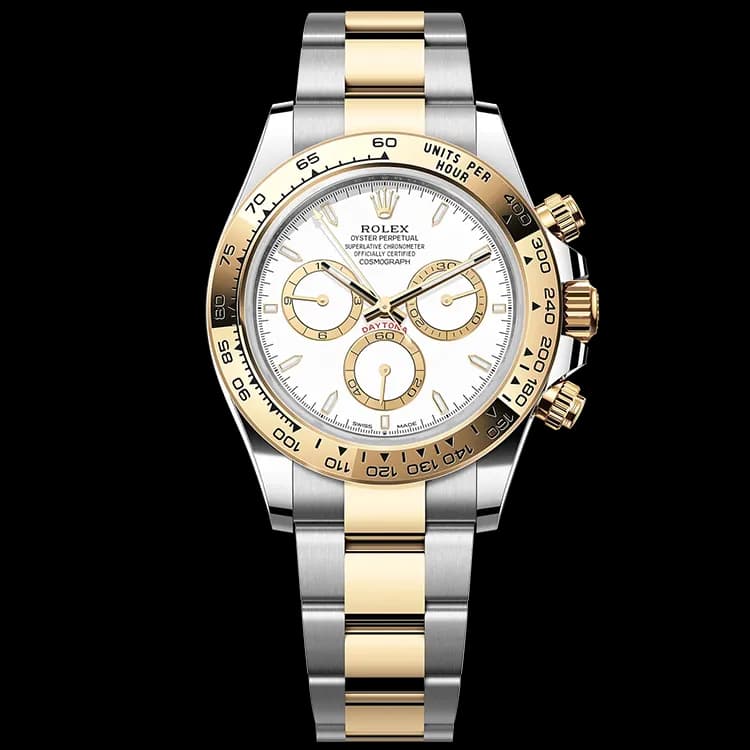
Rolex
$25,000 – $30,000
Daytona
Ref. 126503
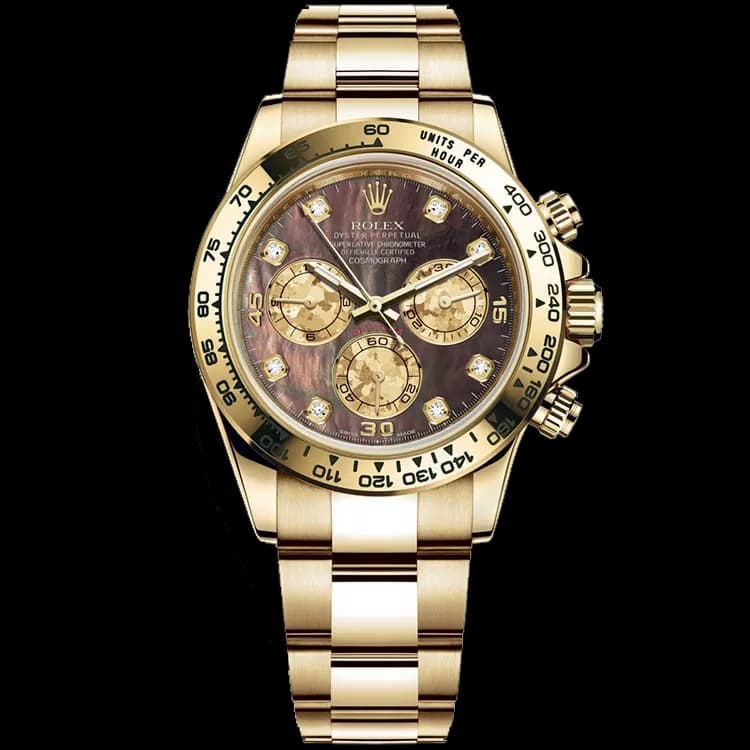
Rolex
$70,000 – $80,000
Daytona
Ref. 116508
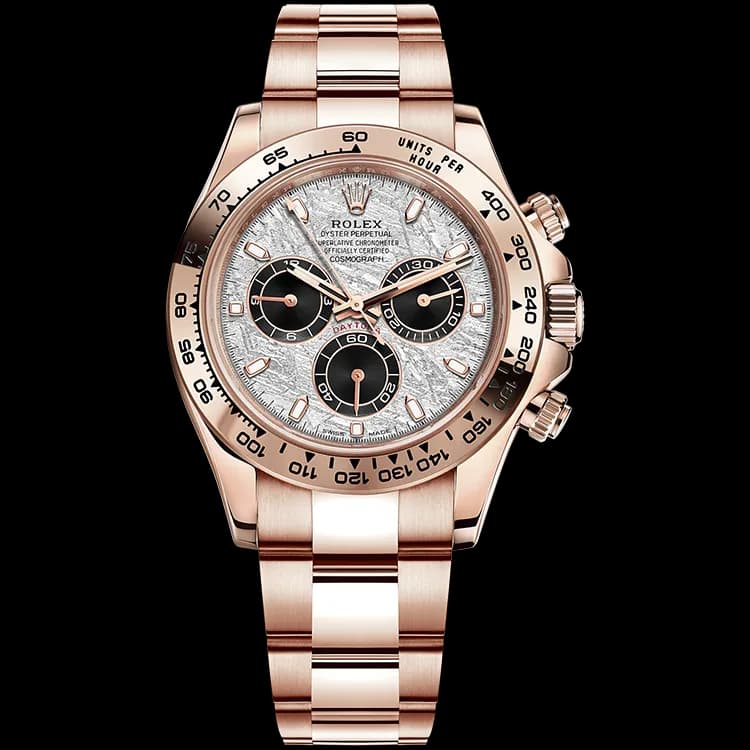
Rolex
$90,000 – $100,000
Daytona
Ref. 116505
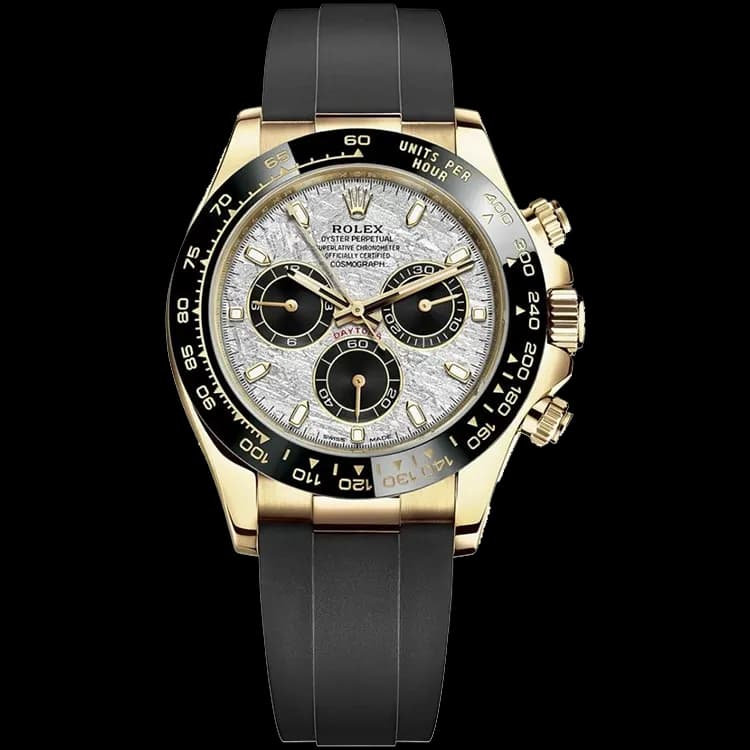
Rolex
$80,000 – $90,000
Daytona
Ref. 116519LN
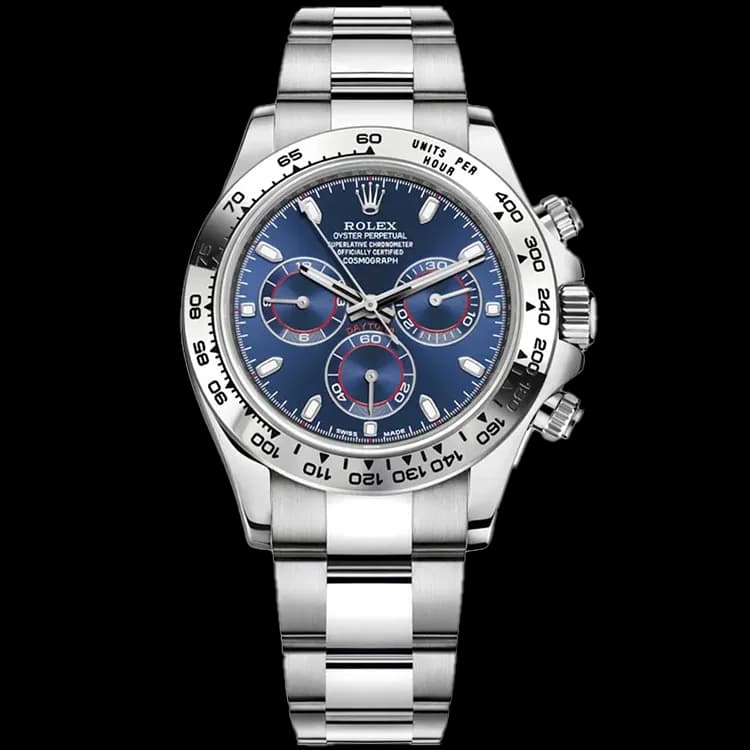
Rolex
$50,000 – $60,000
Daytona
Ref. 116509
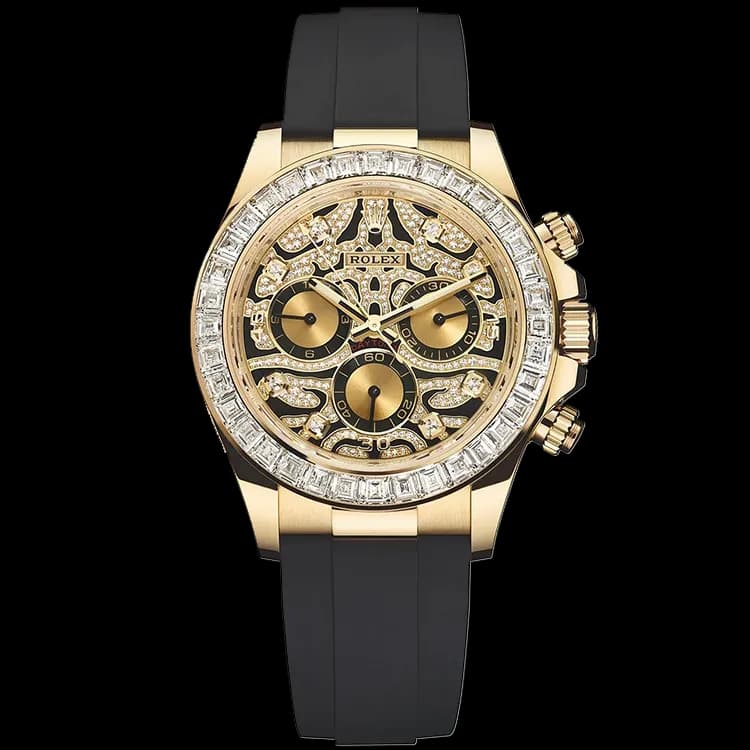
Rolex
$200,000 – $250,000
Daytona
Ref. 116588TBR
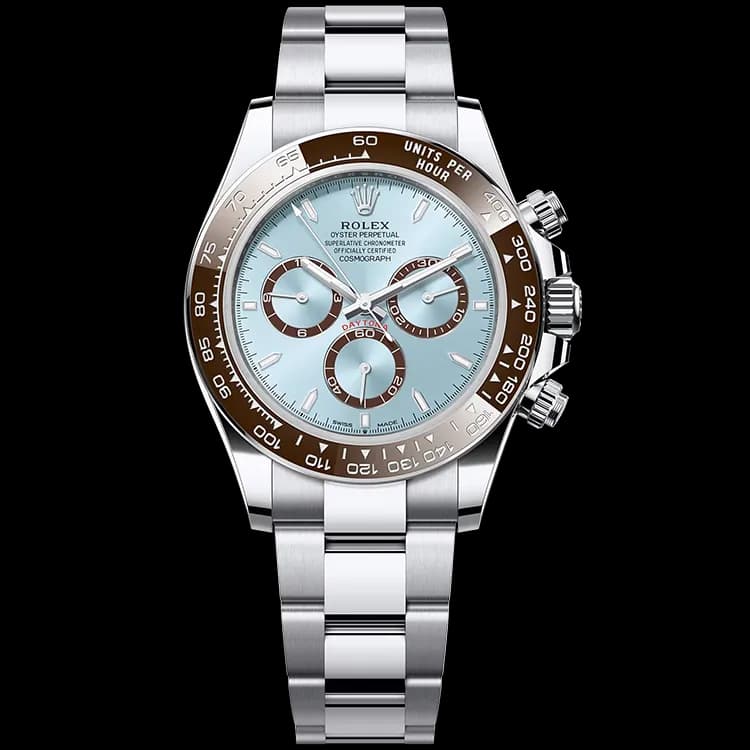
Rolex
$100,000 – $125,000
Daytona
Ref. 126506
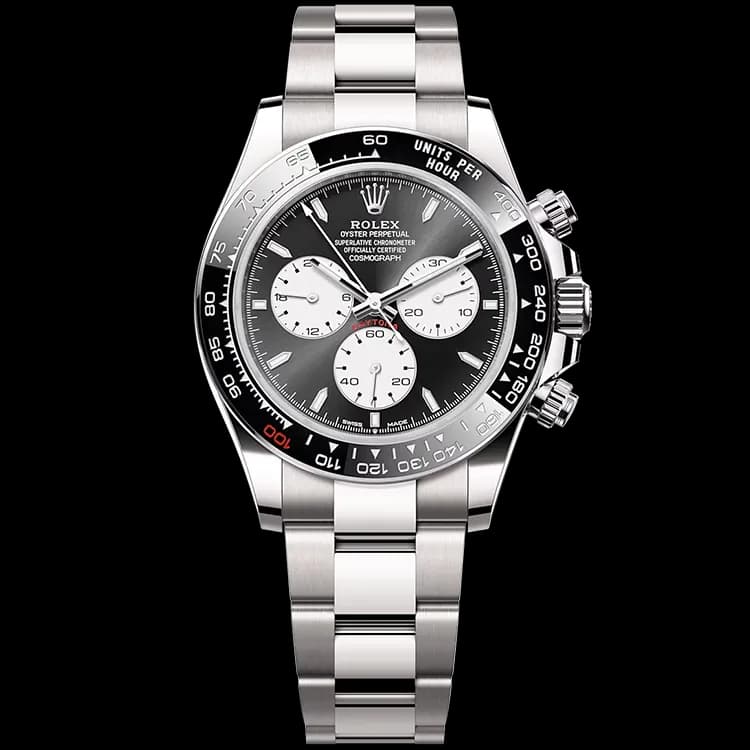
Rolex
$200,000 – $250,000
Daytona
Ref. 126529LN
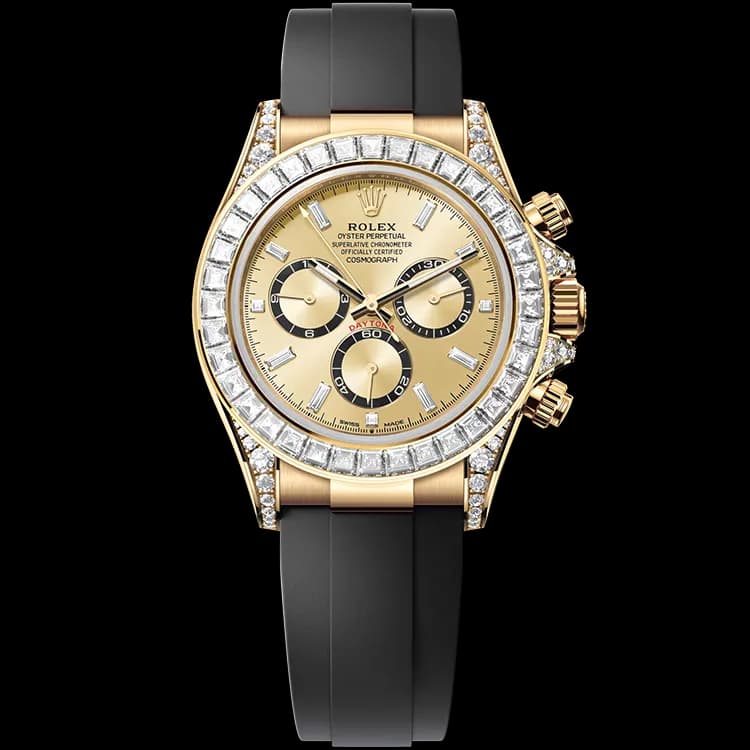
Rolex
Price on request
Daytona
Ref. 126535TBR
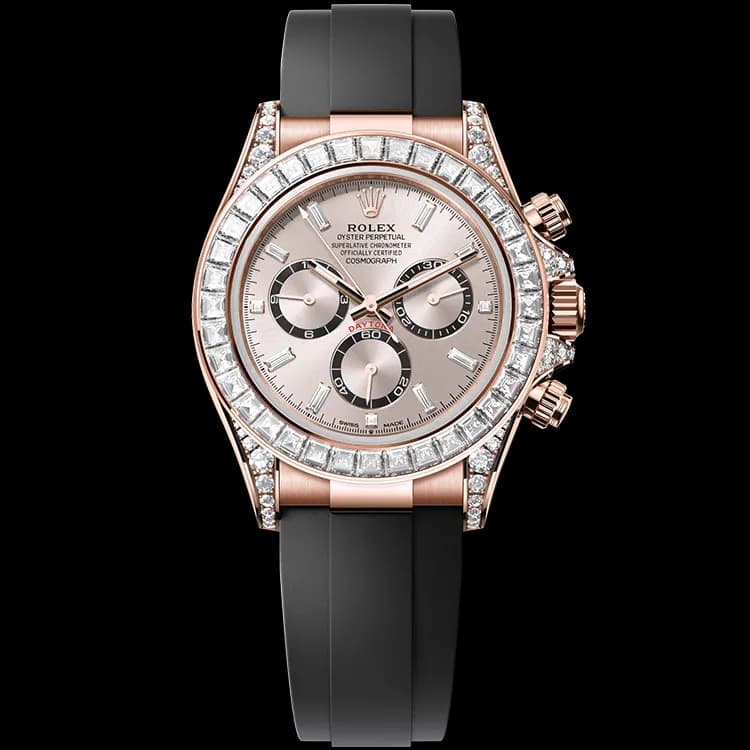
Rolex
Price on request
Daytona
Ref. 126535TBR
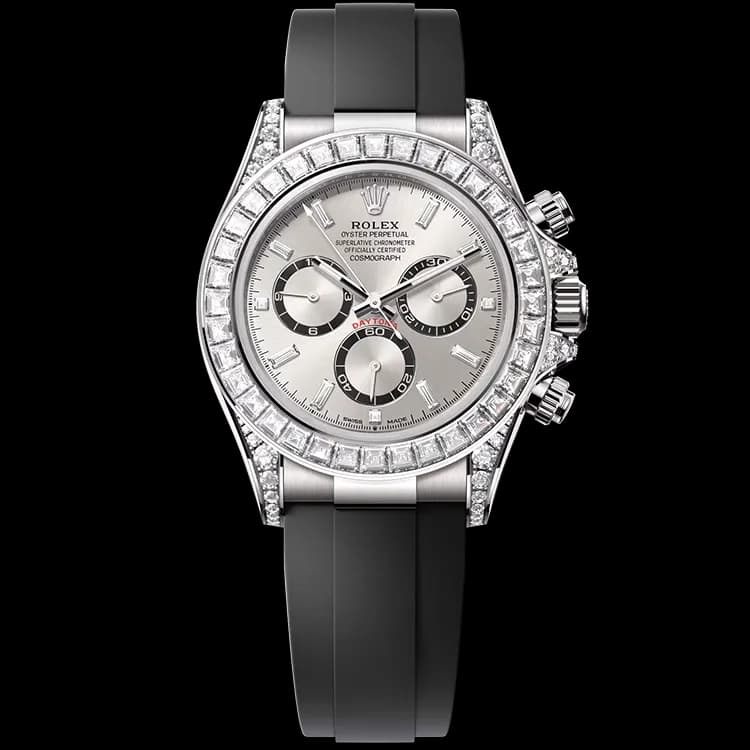
Rolex
Price on request
Daytona
Ref. 126539TBR
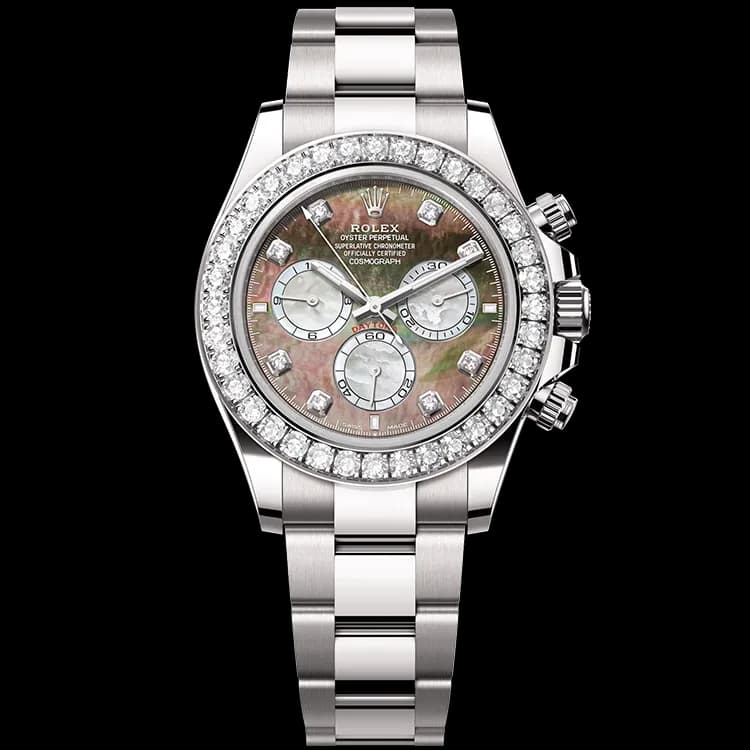
Rolex
Price on request
Daytona
Ref. 126579RBR
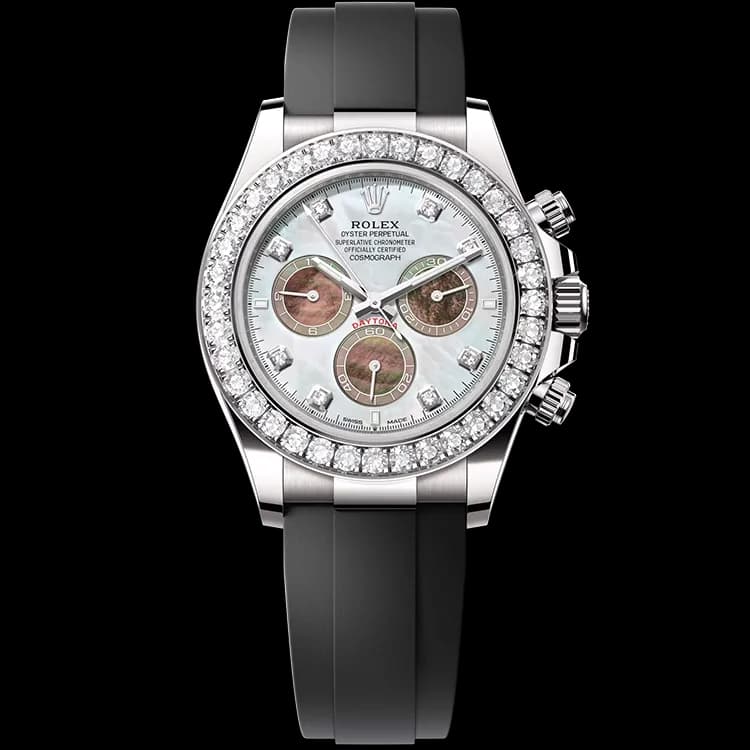
Rolex
Price on request
Daytona
Ref. 126589RBR
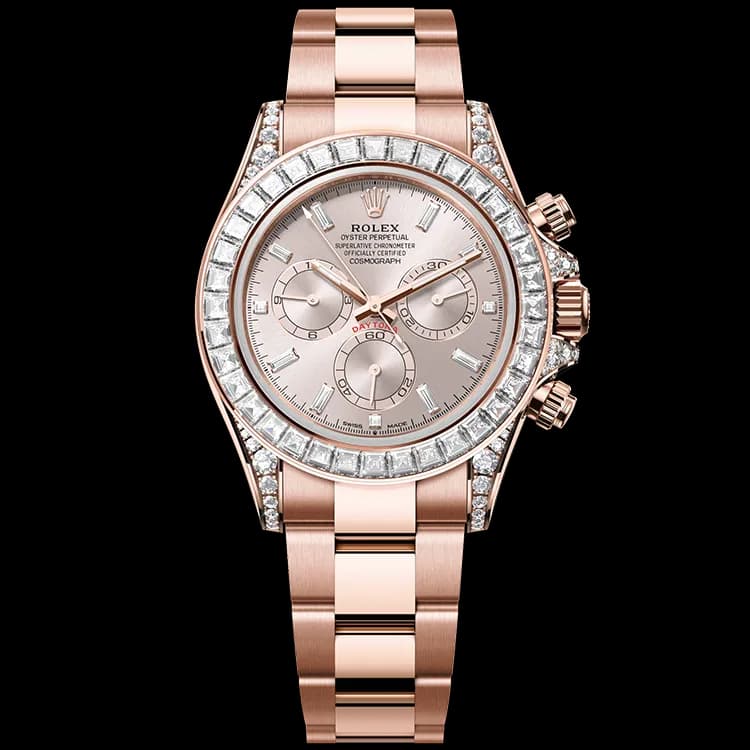
Rolex
Price on request
Daytona
Ref. 126595TBR
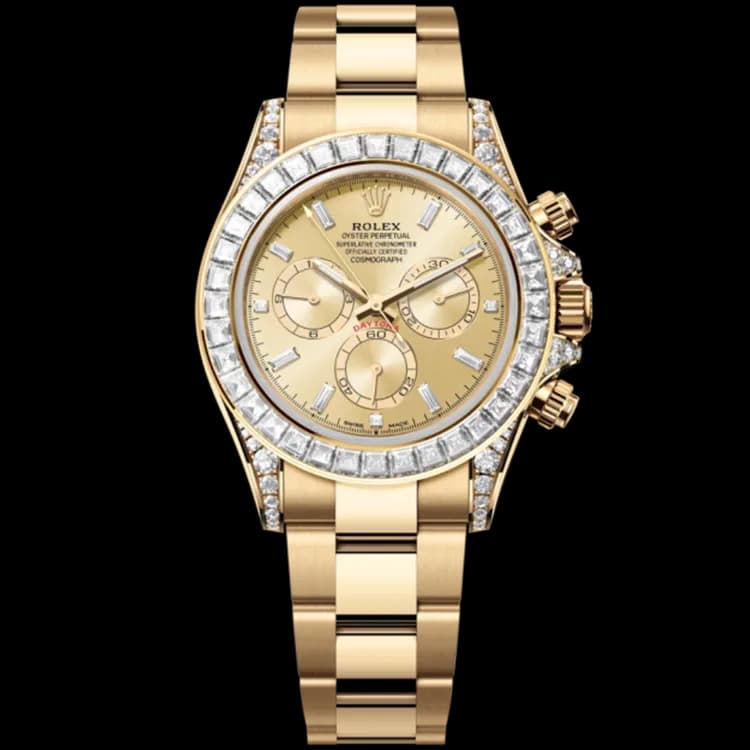
Rolex
Price on request
Daytona
Ref. 126598TBR
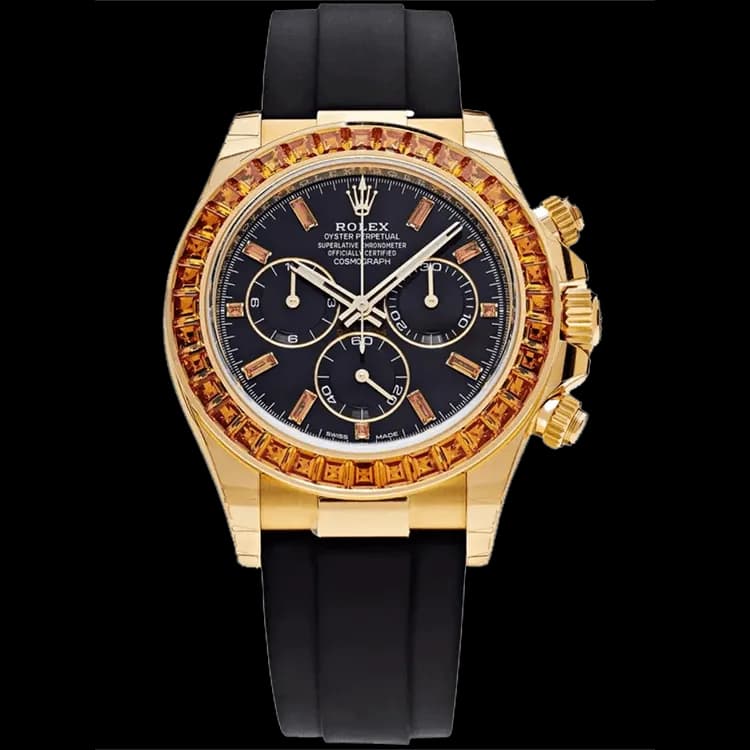
Rolex
$1,000,000
Daytona
Ref. 116588SACO
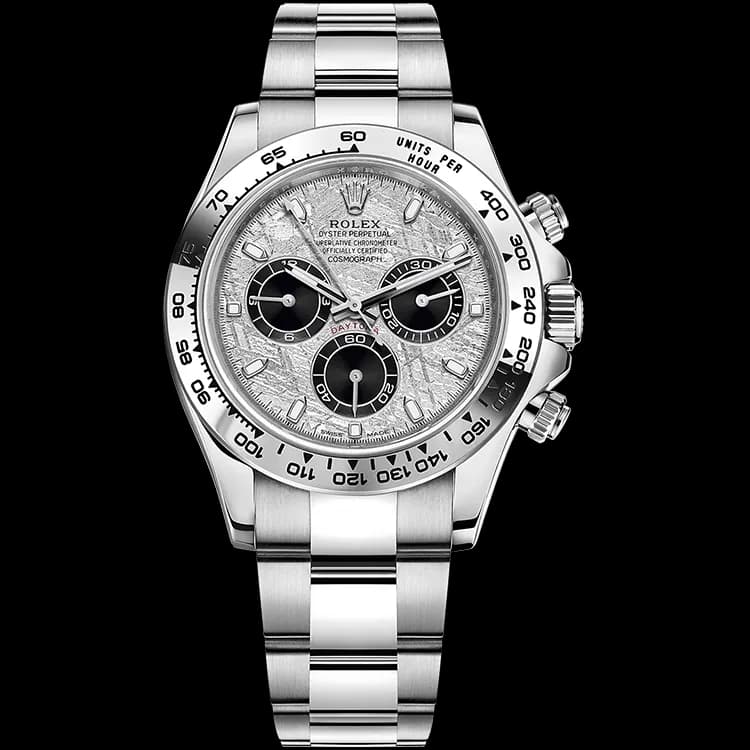
Rolex
$80,000 – $90,000
Daytona
Ref. 116509
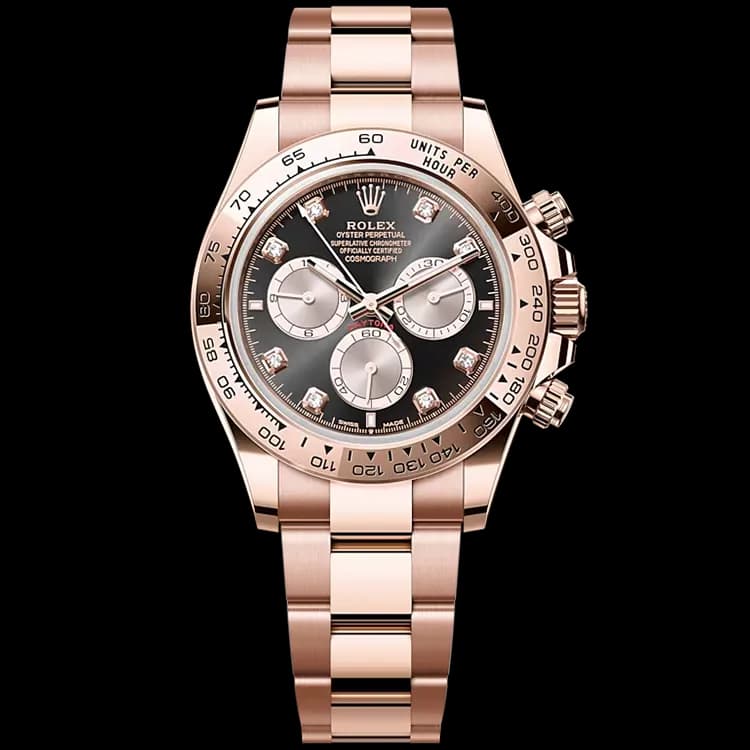
Rolex
$50,000 – $60,000
Daytona
Ref. 126505
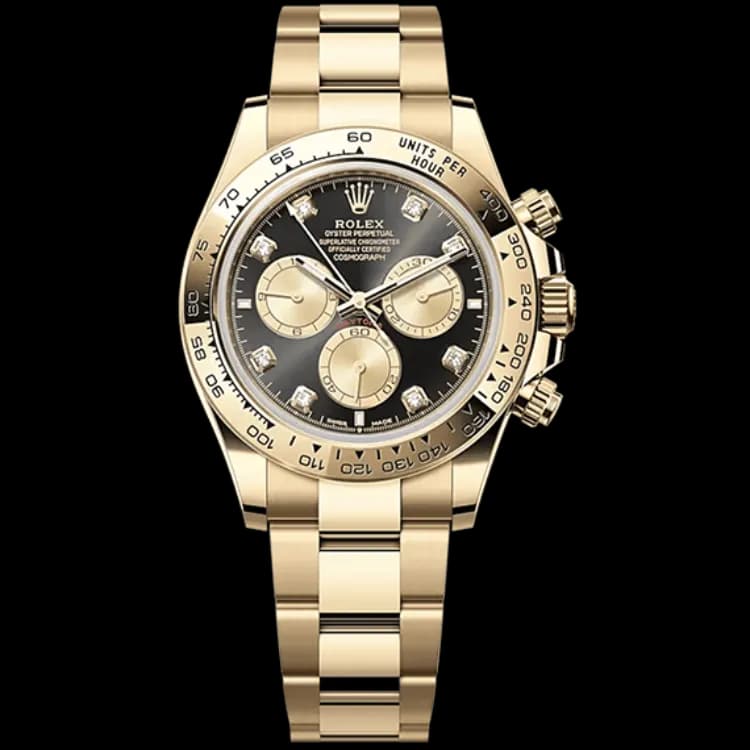
Rolex
$60,000 – $70,000
Daytona
Ref. 126508
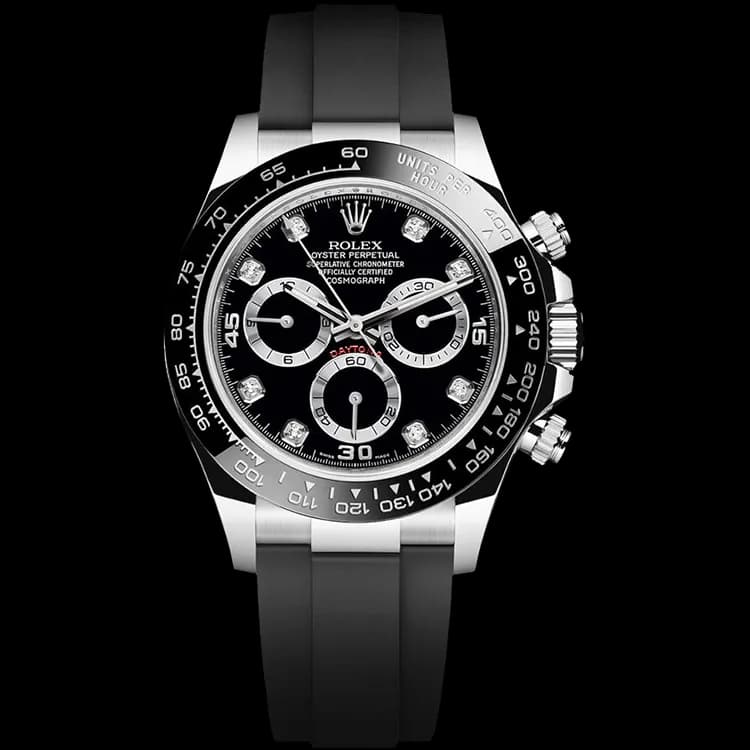
Rolex
$50,000 – $60,000
Daytona
Ref. 116519LN
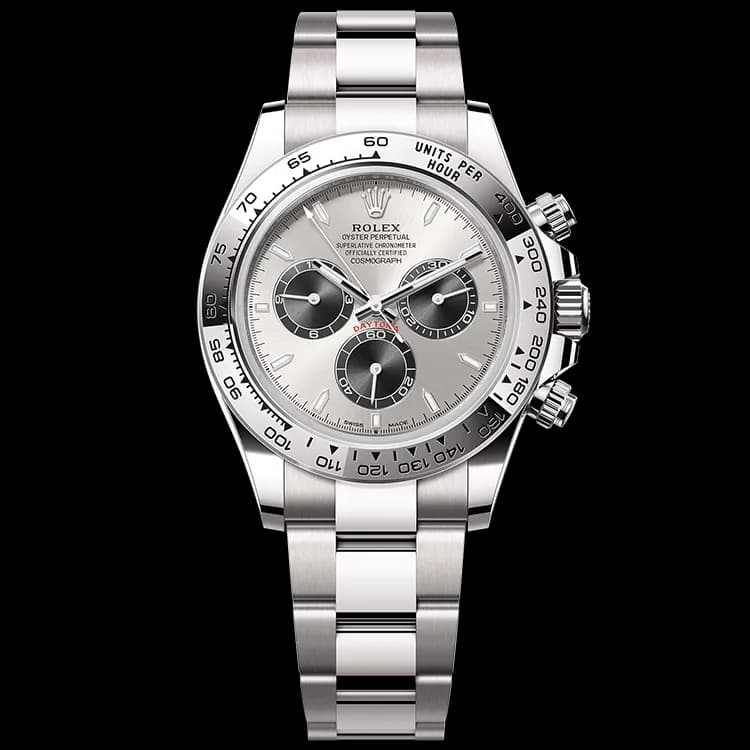
Rolex
$50,000 – $60,000
Daytona
Ref. 126509
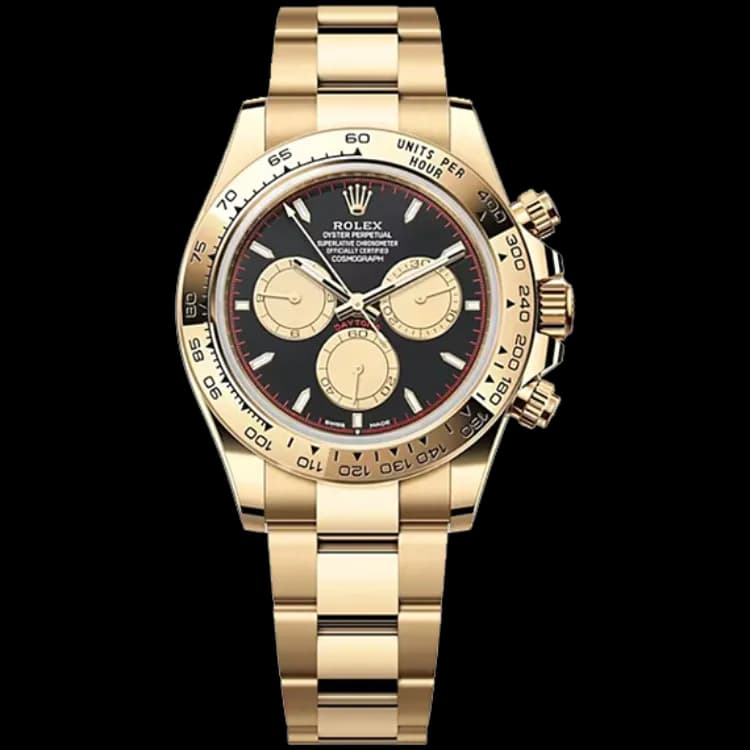
Rolex
$50,000 – $60,000
Daytona
Ref. 126508
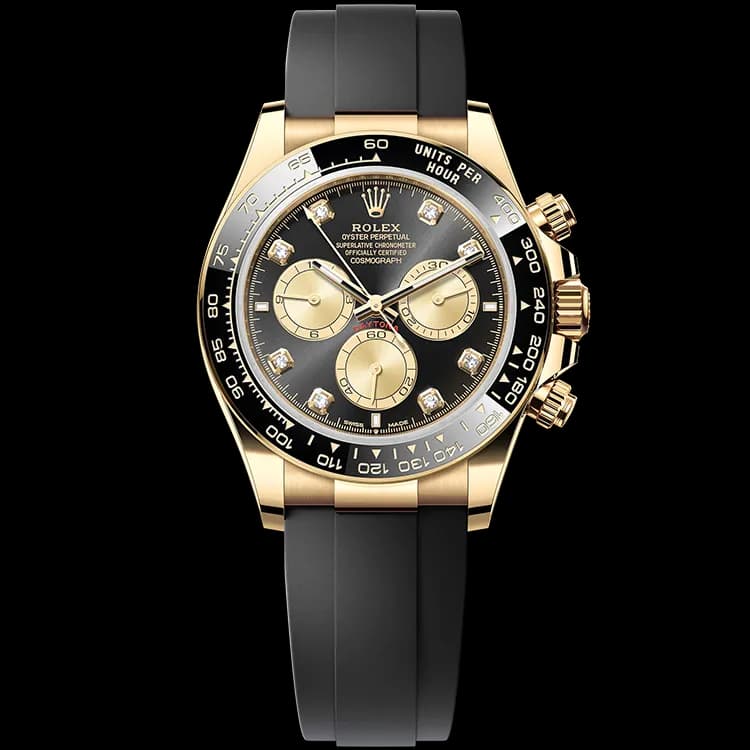
Rolex
$50,000 – $60,000
Daytona
Ref. 126518LN
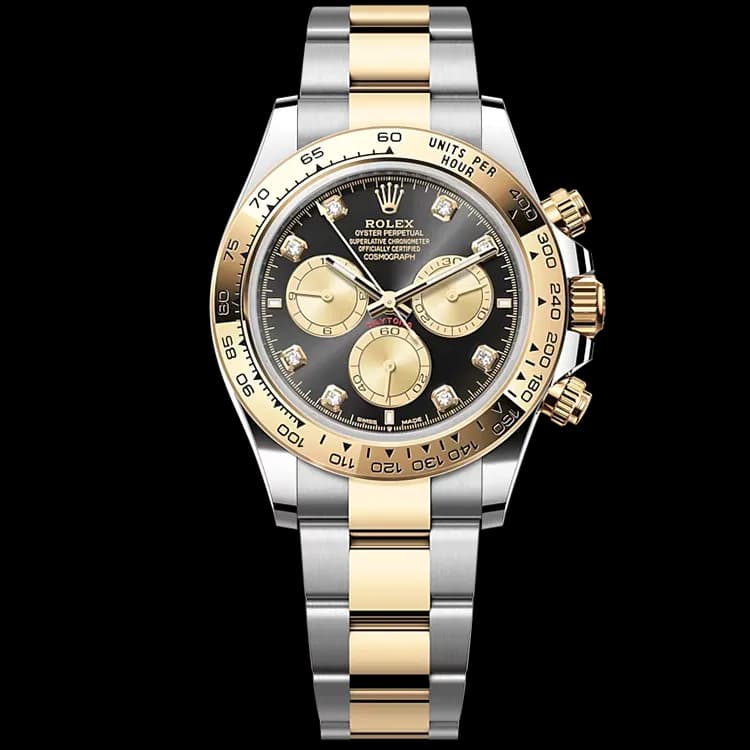
Rolex
$25,000 – $30,000
Daytona
Ref. 126503
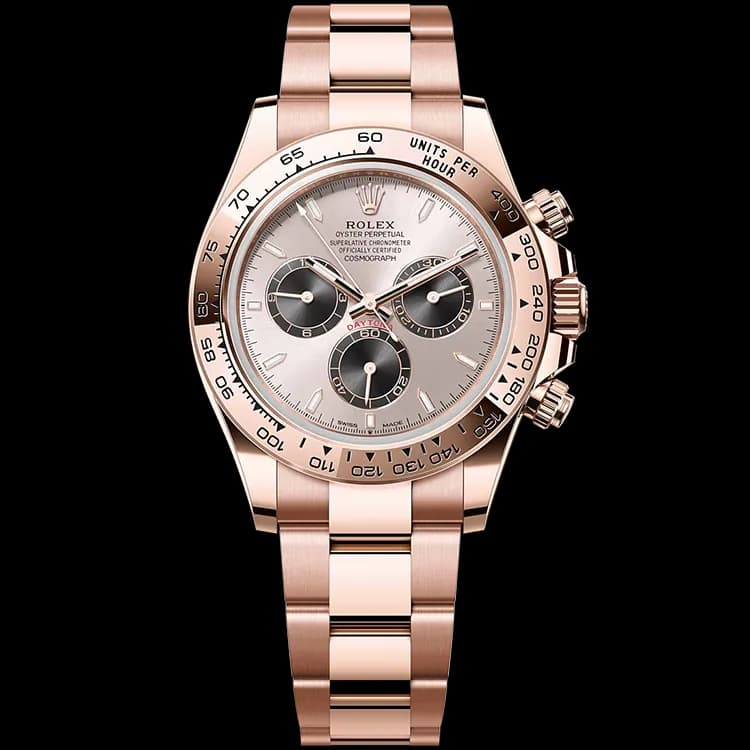
Rolex
$50,000 – $60,000
Daytona
Ref. 126505
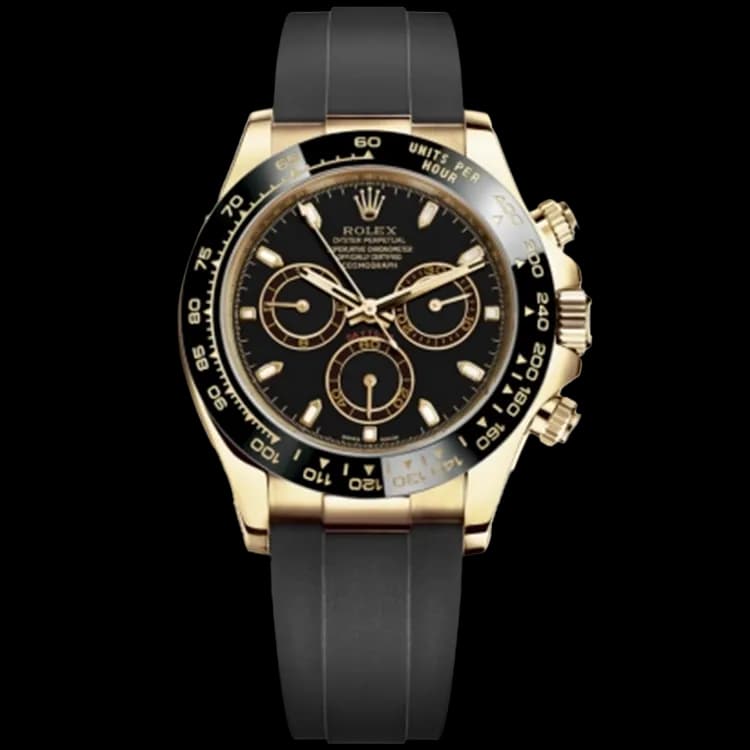
Rolex
$40,000 – $50,000
Daytona
Ref. 116518LN
FAQ
AP Royal Oak Offshore vs Rolex Daytona — Buyer Questions
Need a recommendation?
Talk to a specialist before you buy.
Our team has placed every reference on this page on dozens of wrists. Tell us your wear pattern and budget — we'll point you to the right one.